Simple Exercises to Keep Toes and Ankles Moving Well

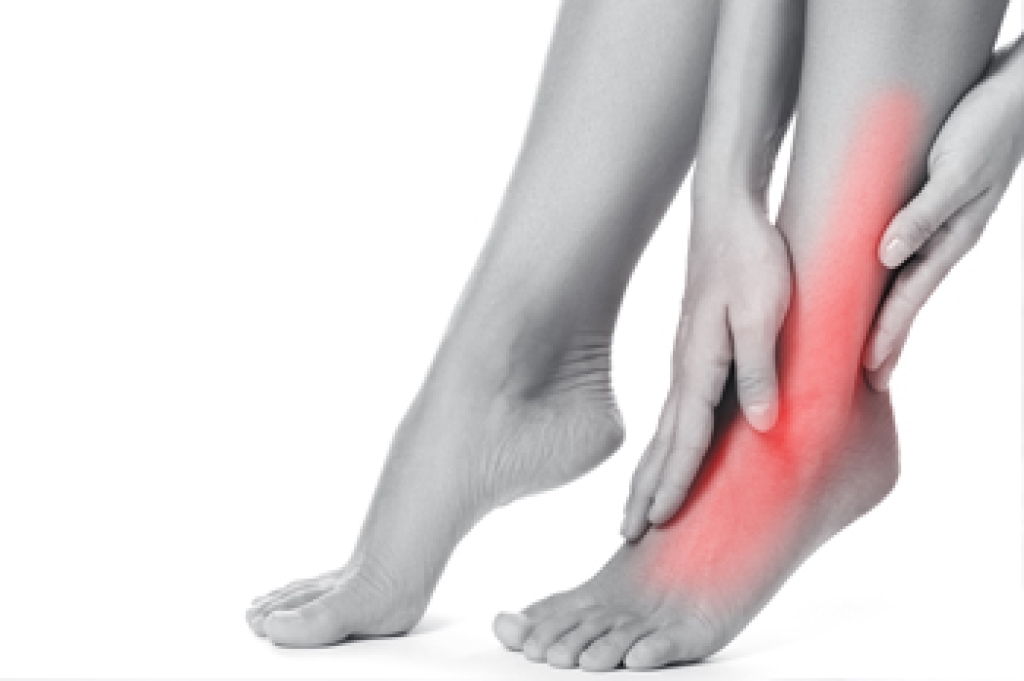
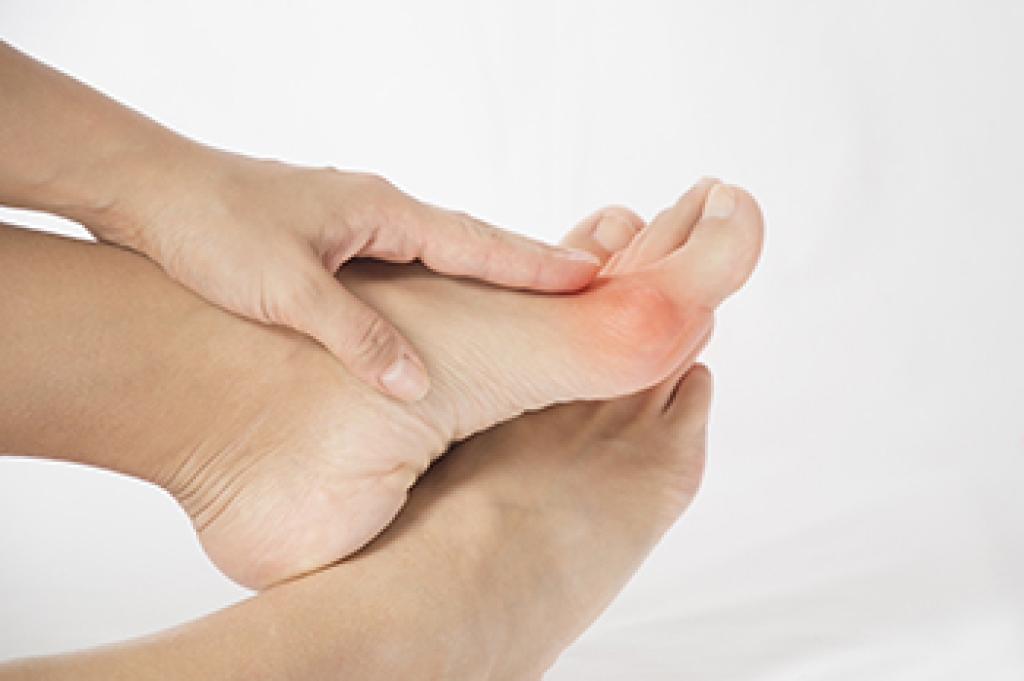
Gentle exercises can help maintain strength, flexibility, and circulation in the toes, feet, and ankles, especially if you spend a lot of time sitting or notice stiffness when walking. For the toes, try towel scrunches by placing a towel on the floor and using your toes to pull it toward you, which helps activate small stabilizing muscles. For the feet, seated arch lifts are helpful. With feet flat on the floor, gently raise the arch while keeping toes and heel down, then relax. This supports foot alignment and control. For the ankles, ankle circles are an easy option. Slowly rotate the ankle in one direction, then reverse, focusing on smooth movement. These simple exercises can support comfort and balance, but persistent pain or stiffness should be evaluated. If you have foot pain, it is suggested that you consult a podiatrist who can treat various foot and ankle conditions, and guide you on additional foot stretches, tailored to your needs.

Stretching the feet is a great way to prevent injuries. If you have any concerns with your feet consult with one of our podiatrists from Podiatry Health Center. Our doctors will assess your condition and provide you with quality foot and ankle treatment.

Stretching the Feet

Stretching the muscles in the foot is an important part in any physical activity. Feet that are tight can lead to less flexibility and make you more prone to injury. One of the most common forms of foot pain, plantar fasciitis, can be stretched out to help ease the pain. Stretching can not only ease pain from plantar fasciitis but also prevent it as well. However, it is important to see a podiatrist first if stretching is right for you. Podiatrists can also recommend other ways to stretch your feet. Once you know whether stretching is right for you, here are some excellent stretches you can do.

  • Using a foam roller or any cylindrical object (a water bottle or soda can will do), roll the object under your foot back and forth. You should also exert pressure on the object. Be sure to do this to both feet for a minute. Do this exercise three times each.
  • Similar to the previous one, take a ball, such as a tennis ball, and roll it under your foot while seated and exert pressure on it.
  • Grab a resistance band or towel and take a seat. If you are using a towel, fold it length wise. Next put either one between the ball of your foot and heel and pull with both hands on each side towards you. Hold this for 15 seconds and then switch feet. Do this three times for each foot.
  • Finally hold your big toe while crossing one leg over the other. Pull the toe towards you and hold for 15 seconds. Once again do this three times per foot.

It is best to go easy when first stretching your foot and work your way up. If your foot starts hurting, stop exercising and ice and rest the foot. It is advised to then see a podiatrist for help.

If you have any questions please contact our office located in Dothan, AL . We offer the newest diagnostic and treatment technologies for all your foot and ankle needs.

Read more about How to Stretch Your Feet

Heel Pain Can Be Treated!

Do you suffer from heel pain when you get up in the morning? If so, you should seek professional help and have a proper diagnosis performed. Heel pain can be caused by several different foot-related conditions.

How Shoes Help Protect Diabetic Feet

People living with type 2 diabetes face a higher risk for skin breakdown on the feet because circulation, sensation, and pressure tolerance can be changed. Footwear plays a quiet but powerful role in prevention. Shoes that fit well reduce friction, limit pressure points, and protect vulnerable skin from repeated trauma. A deep toe box, soft interior linings, and firm heel support help distribute weight more evenly during walking. Cushioning absorbs shock, while stable soles improve balance and reduce shear forces. Breathable materials help manage moisture, lowering the chance of irritation or infection. Worn out shoes or poorly fitting styles can create rubbing that leads to blisters, calluses, and open areas or wounds that heal slowly. Choosing shoes with professional guidance and replacing them regularly supports daily foot protection. If redness, sores, pressure areas, or wounds appear on your feet, it is suggested that you see a podiatrist who can provide the necessary treatment.

Wound care is an important part in dealing with diabetes. If you have diabetes and a foot wound or would like more information about wound care for diabetics, consult with one of our podiatrists from Podiatry Health Center. Our doctors will assess your condition and provide you with quality foot and ankle treatment.

What Is Wound Care?

Wound care is the practice of taking proper care of a wound. This can range from the smallest to the largest of wounds. While everyone can benefit from proper wound care, it is much more important for diabetics. Diabetics often suffer from poor blood circulation which causes wounds to heal much slower than they would in a non-diabetic. 

What Is the Importance of Wound Care?

While it may not seem apparent with small ulcers on the foot, for diabetics, any size ulcer can become infected. Diabetics often also suffer from neuropathy, or nerve loss. This means they might not even feel when they have an ulcer on their foot. If the wound becomes severely infected, amputation may be necessary. Therefore, it is of the upmost importance to properly care for any and all foot wounds.

How to Care for Wounds

The best way to care for foot wounds is to prevent them. For diabetics, this means daily inspections of the feet for any signs of abnormalities or ulcers. It is also recommended to see a podiatrist several times a year for a foot inspection. If you do have an ulcer, run the wound under water to clear dirt from the wound; then apply antibiotic ointment to the wound and cover with a bandage. Bandages should be changed daily and keeping pressure off the wound is smart. It is advised to see a podiatrist, who can keep an eye on it.

If you have any questions please contact our office located in Dothan, AL . We offer the newest diagnostic and treatment technologies for all your foot and ankle needs.

Read more about Wound Care

Connect With Us