
A Broken Big Toe After Injury

A traumatic hallux fracture is a break in the big toe caused by injuries such as a heavy object falling on the foot, a forceful stub, a fall, or a sports accident. Because the big toe helps with balance and forward movement, this injury can make walking quite uncomfortable. Symptoms often include swelling, bruising, throbbing pain, stiffness, and difficulty pushing off the foot. Some injuries also cause visible deformity or marked tenderness. Evaluation helps determine whether the break is stable, displaced, or extends into the joint. Stable fractures generally remain in proper position and may heal with protection and reduced activity. Displaced fractures occur when the bone fragments have shifted out of alignment. Breaks that extend into the joint can affect movement and may need closer management to help preserve function. Treatment may include immobilization, protective footwear, activity modification, and follow-up imaging. If you have a painful big toe injury, it is suggested that you visit a podiatrist for appropriate treatment solutions.

Broken toes may cause a lot of pain and should be treated as soon as possible. If you have any concerns about your feet, contact one of our podiatrists from Podiatry Health Center. Our doctors will treat your foot and ankle needs.

What Is a Broken Toe?

A broken toe occurs when one or more of the toe bones of the foot are broken after an injury. Injuries such as stubbing your toe or dropping a heavy object on it may cause a toe fracture.

Symptoms of a Broken Toe

  • Swelling
  • Pain (with/without wearing shoes)
  • Stiffness
  • Nail Injury

Although the injured toe should be monitored daily, it is especially important to have a podiatrist look at your toe if you have severe symptoms. Some of these symptoms include worsening or new pain that is not relieved with medication, sores, redness, or open wounds near the toe.

If you have any questions please feel free to contact our office located in Dothan, AL . We offer the newest diagnostic tools and technology to treat your foot and ankle needs.
Read more about What to Know About a Broken Toe

Understanding Ankle Pain and Your Treatment Options

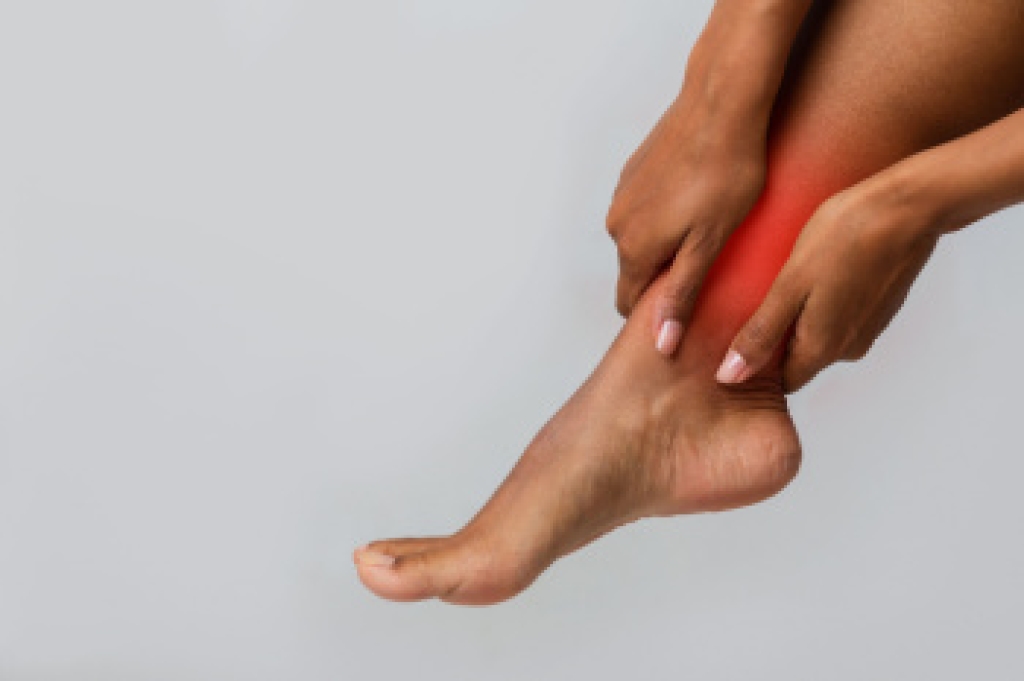
Ankle pain can make every step feel uncertain and can interfere with work, exercise, and daily routines. The discomfort can begin suddenly after a twist or fall, or it can develop from repeated stress on the joint. The ankle is made up of ligaments, tendons, and cartilage that work together to provide strength and movement. Ligaments are strong bands of tissue that connect bones, while tendons connect muscles to bones. When any of these structures become damaged or irritated, pain and swelling can develop. Some people notice stiffness when getting out of bed, while others feel discomfort after spending long periods on their feet. Pain can also affect balance, making it harder to walk with confidence.

Several conditions can lead to ankle pain. An ankle sprain stretches or tears ligaments after the foot twists in an awkward direction. Arthritis causes the joint to become inflamed, leading to pain and reduced movement. Tendon injuries create pain because the tissues that help move the foot become irritated or damaged. Fractures, which are broken bones, also cause severe pain and limit movement. Foot shape, extra body weight, and shoes that lack proper support can place added stress on the ankle. Pain while walking, bruising, and difficulty standing can point to a problem that deserves a careful evaluation. A podiatrist performs a thorough examination, reviews symptoms, and uses imaging studies when appropriate to identify the cause of the discomfort.

Treatment depends on the reason for the ankle pain and the severity of the condition. A podiatrist can recommend custom orthotics to improve foot alignment and reduce stress on the ankle. Bracing can provide added support while injured tissues recover. Physical therapy helps improve strength, flexibility, and balance. Some patients benefit from medication to reduce inflammation. Others require surgery to repair damaged bones, ligaments, or tendons when the injury is severe. Prompt evaluation can reduce the chance of lasting joint problems and help patients return to daily activities with greater comfort and confidence. If you have symptoms of ankle pain, it is suggested that you make an appointment with a podiatrist for diagnosis and treatment.

Ankle pain can have many different causes and the pain may potentially be serious. If you have ankle pain, consult with one of our podiatrists from Podiatry Health Center. Our doctors will assess your condition and provide you with quality foot and ankle treatment.

Ankle pain is any condition that causes pain in the ankle. Due to the fact that the ankle consists of tendons, muscles, bones, and ligaments, ankle pain can come from a number of different conditions.

Causes

The most common causes of ankle pain include:

  • Types of arthritis (rheumatoid, osteoarthritis, and gout)
  • Ankle sprains
  • Broken ankles
  • Achilles tendinitis
  • Achilles tendon rupture
  • Stress fractures
  • Tarsal tunnel syndrome
  • Plantar fasciitis

Symptoms

Symptoms of ankle injury vary based upon the condition. Pain may include general pain and discomfort, swelling, aching, redness, bruising, burning or stabbing sensations, and/or loss of sensation.

Diagnosis

Due to the wide variety of potential causes of ankle pain, podiatrists will utilize a number of different methods to properly diagnose ankle pain. This can include asking for personal and family medical histories and of any recent injuries. Further diagnosis may include sensation tests, a physical examination, and potentially x-rays or other imaging tests.

Treatment

Just as the range of causes varies widely, so do treatments. Some more common treatments are rest, ice packs, keeping pressure off the foot, orthotics and braces, medication for inflammation and pain, and surgery.

If you have any questions please feel free to contact our office located in Dothan, AL . We offer the newest diagnostic tools and technology to treat your foot and ankle needs.

Read more about Ankle Pain

Hallux Valgus Explained and Why Bunions Gradually Develop

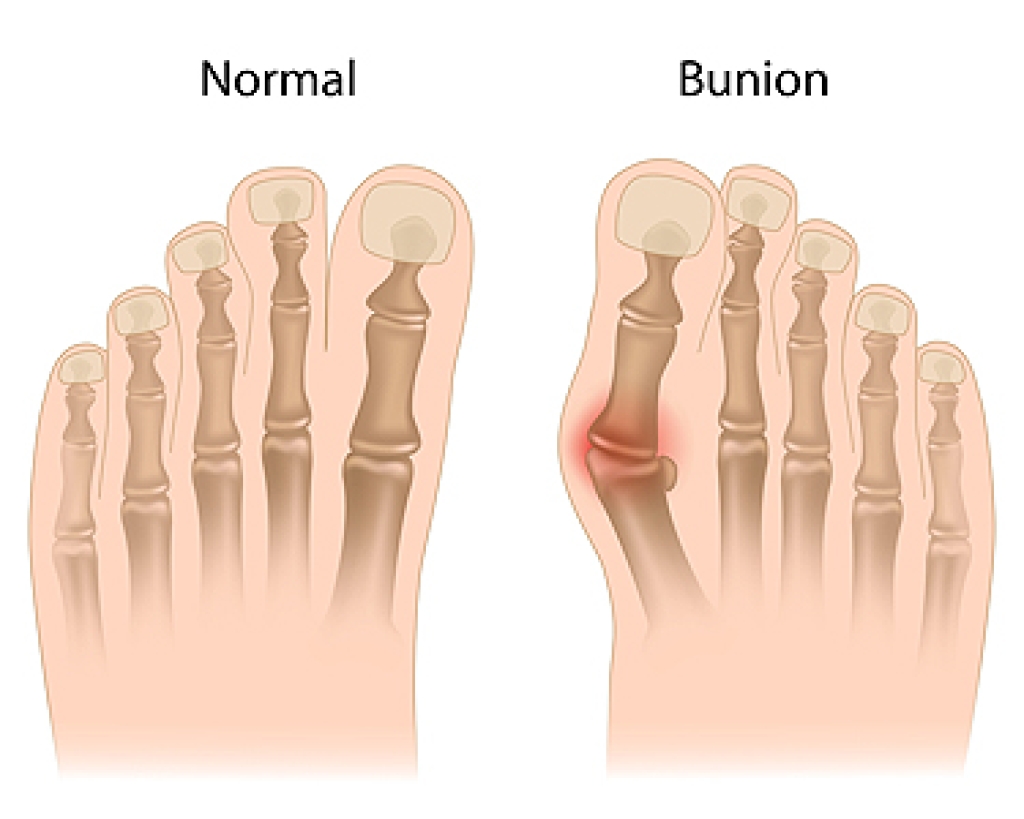
Hallux valgus, commonly known as a bunion, is a progressive foot deformity defined by a misalignment of the big toe joint. This condition occurs when the big toe shifts inward toward the smaller toes, causing a bony prominence to form along the side of the foot. The deformity affects the structure and function of the forefoot, leading to joint instability and ongoing irritation. Over time, the condition can worsen, especially when underlying causes are not addressed. Symptoms of hallux valgus often begin with a visible bump at the base of the big toe. The area may appear swollen, red, and inflamed. Many individuals experience pain that increases with walking or wearing tight fitting shoes. Joint stiffness and reduced range of motion are also common. As the deformity progresses, the big toe may overlap or press against adjacent toes, creating further discomfort and difficulty with footwear.

Several causes and risk factors contribute to the development of bunions. Biomechanical issues such as flat feet, abnormal gait patterns, and joint instability play a significant role. Genetics is another major factor, as inherited foot structure can increase the likelihood of developing hallux valgus. Footwear also contributes, particularly shoes that are narrow or have a high heel, which place excessive pressure on the forefoot and encourage misalignment. Early recognition of bunions is important for preventing progression and managing symptoms. Treatment options may include wearing supportive footwear, custom orthotics, and activity modifications that reduce stress on the joint. Addressing biomechanical issues can improve overall foot function and relieve discomfort. If you have a bunion, it is suggested that you consult a podiatrist for effective relief and management solutions.

If you are suffering from bunion pain, contact one of our podiatrists of Podiatry Health Center. Our doctors can provide the care you need to keep you pain-free and on your feet.

What Is a Bunion?

Bunions are painful bony bumps that usually develop on the inside of the foot at the joint of the big toe. As the deformity increases over time, it may become painful to walk and wear shoes. Women are more likely to exacerbate existing bunions since they often wear tight, narrow shoes that shift their toes together. Bunion pain can be relieved by wearing wider shoes with enough room for the toes.

Causes

  • Genetics – some people inherit feet that are more prone to bunion development
  • Inflammatory Conditions - rheumatoid arthritis and polio may cause bunion development

Symptoms

  • Redness and inflammation
  • Pain and tenderness
  • Callus or corns on the bump
  • Restricted motion in the big toe

In order to diagnose your bunion, your podiatrist may ask about your medical history, symptoms, and general health. Your doctor might also order an x-ray to take a closer look at your feet. Nonsurgical treatment options include orthotics, padding, icing, changes in footwear, and medication. If nonsurgical treatments don’t alleviate your bunion pain, surgery may be necessary.

If you have any questions, please feel free to contact our office located in Dothan, AL . We offer the newest diagnostic and treatment technologies for all your foot care needs.

Read more about What Are Bunions?

How Flip-Flops and Sandals Can Cause Foot Pain

Warm-weather footwear is popular because it is lightweight and easy to wear. However, sandals and flip-flops can contribute to foot pain when they do not provide enough support. Many styles have thin soles, limited cushioning, and little stability. As a result, the feet must work harder to maintain balance and absorb impact while walking. This extra strain can affect the muscles, joints, and soft tissues of the feet. Common problems include arch pain, heel pain, and soreness in the ball of the foot. Some people also develop discomfort in the ankles, knees, or lower back because of changes in walking patterns. Wearing flip-flops or sandals that lack adequate support for extended periods of time can place repeated stress on the feet and increase the risk of painful conditions.

Several foot conditions are linked to frequent use of flip-flops and sandals. Plantar fasciitis, which is an irritation of the thick band of tissue along the bottom of the foot, is one common example. Limited arch support can place extra tension on this tissue. Heel pain is another frequent complaint because thin soles provide little shock absorption. Poorly fitting sandals can also cause calluses, blisters, and skin irritation from repeated rubbing. Open-toed sandals also leave the feet more exposed to cuts, scrapes, and other injuries. High-heeled sandals provide limited stability, increasing the risk of ankle sprains when walking on uneven surfaces.

A podiatrist can determine whether footwear is contributing to foot pain and related symptoms. A thorough examination can identify areas of strain, changes in foot structure, and problems with the way a person walks. Digital imaging scans and X-rays may be ordered to evaluate joint alignment and other concerns. Treatment focuses on reducing pain, improving function, and helping patients choose footwear that better supports foot health. Early evaluation can prevent minor discomfort from developing into a more serious problem. If you have foot pain after wearing sandals or flip-flops, it is suggested that you schedule an appointment with a podiatrist for relief and treatment options.

Flip-flops are not always the best choice of footwear. If you have any concerns about your feet or ankles, contact one of our podiatrists from Podiatry Health Center. Our doctors will assist you with all of your foot and ankle needs.

Flip-Flops and Feet

When the weather starts warming up, people enjoy wearing flip-flops.  Flip-flops are comfortable, stylish, and easy to slip on and off; they're perfect for any summer beach goer.  However, these shoes can cause harm to the feet.

How Can Flip-Flops Affect Me Long-Term?

  • Ankle problems
  • Hip problems
  • Lower back problems
  • Pain in the balls of the feet
  • Problems with foot arches
  • Changes in the way you walk

Are There Injuries Associated with Flip-Flops?

Yes.  Since flip-flops are relatively weak and do not provide the same amount of support as sneakers, people who wear flip-flops regularly are more susceptible to injuries. On top of that, the open nature of the shoe makes your feet more prone to other problems, such as cuts and even infections.  Common injuries and ailments include:

  • Sprained ankles
  • Blisters
  • Infections
  • Cuts and Scrapes

I like Wearing Flip-Flops. Are There Safe Alternatives?

When buying flip-flops, try to find ones that have sturdy soles and that are made of high-quality materials that will support for your feet.  These flip-flops will cost more but will also last longer as a result.

If you have any questions, please feel free to contact our office located in Dothan, AL . We offer the newest diagnostic and treatment technologies for all your foot care needs.

Read more about Flip Flops and Your Feet

Plantar Warts Can Be Treated!

Plantar warts are small growths that develop on parts of the feet that bear weight. They're typically found on the bottom of the foot. Don't live with plantar warts, and call us today!

Connect With Us