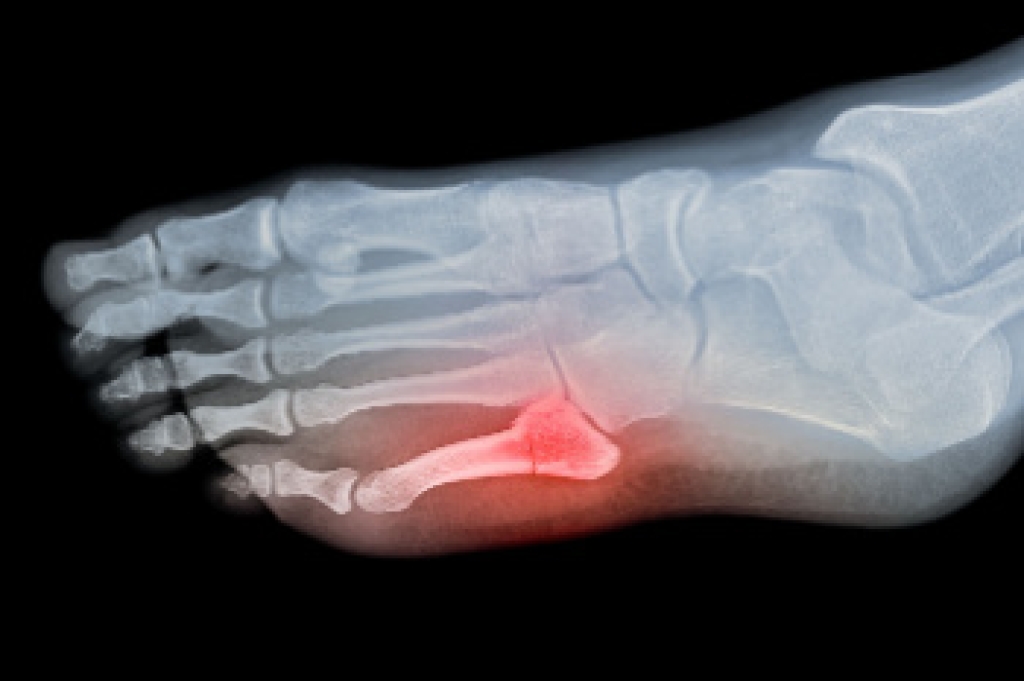
Broken Foot Injuries and Recovery

A broken foot, also called a foot fracture, occurs when one or more bones in the foot break. These injuries may happen during sports, after a fall, or because of an accident. A fracture can vary in severity depending on the location and type of break. An open fracture occurs when the broken bone breaks through the skin, while a closed fracture does not create an open wound. Foot fractures can make movement difficult and may require several weeks to heal. Because the feet support the body when walking, proper diagnosis and follow-up care are important after an injury.


Treatment for a broken foot depends on which bone is injured and the type of fracture. A splint, cast, or orthopedic shoe may protect the foot during healing. Some foot fractures may require surgery. Full recovery can take six to eight weeks or longer, depending on the injury. Follow-up appointments help monitor the healing process. Certain symptoms can indicate that immediate medical attention is needed. These include increasing pain, changes in foot color, or numbness in the toes. Problems involving a cast or splint also require professional attention, particularly when the device feels too tight.


A podiatrist can evaluate foot pain after an injury and determine whether a fracture may be responsible. The examination can identify the location of the injury and guide an appropriate treatment plan. A podiatrist can also monitor the foot throughout recovery to ensure healing is progressing. Treatment may involve protective devices, follow-up evaluations, or surgical care when necessary. Since foot fractures vary in severity, appropriate care depends on the specific injury. If significant foot pain develops after a fall, sports injury, or accident, it is suggested that you consult a podiatrist for an evaluation and appropriate treatment options.

A broken foot requires immediate medical attention and treatment. If you need your feet checked, contact one of our podiatrists from Podiatry Health Center. Our doctors can provide the care you need to keep you pain-free and on your feet.

Broken Foot Causes, Symptoms, and Treatment

A broken foot is caused by one of the bones in the foot typically breaking when bended, crushed, or stretched beyond its natural capabilities. Usually the location of the fracture indicates how the break occurred, whether it was through an object, fall, or any other type of injury. 

Common Symptoms of Broken Feet:

  • Bruising
  • Pain
  • Redness
  • Swelling
  • Blue in color
  • Numbness
  • Cold
  • Misshapen
  • Cuts
  • Deformities

Those that suspect they have a broken foot shoot seek urgent medical attention where a medical professional could diagnose the severity.

Treatment for broken bones varies depending on the cause, severity and location. Some will require the use of splints, casts or crutches while others could even involve surgery to repair the broken bones. Personal care includes the use of ice and keeping the foot stabilized and elevated.

If you have any questions, please feel free to contact our office located in Dothan, AL . We offer the newest diagnostic and treatment technologies for all your foot care needs.


Read more about Causes, Symptoms, and Treatment for a Broken Foot

Why Cracked Heels Develop

Cracked heels develop when dry, thick skin around the heel splits under pressure. The soles of the feet do not have oil glands, which makes the skin more likely to lose moisture and become dry. Standing for long periods can add pressure to the heels. Friction from shoes that do not fit properly can also thicken the skin and contribute to cracking. As cracks deepen, the area can become irritated and painful. Some cracks can become severe enough to make standing or walking uncomfortable.

Several factors can increase the chance of developing cracked heels. Aging can reduce skin elasticity, leaving the heel less flexible and more likely to split. Open-back shoes can allow the heel's natural padding to spread outward, placing added stress on dry skin. Exposure to dry air can also remove moisture from the feet. In some patients, severely dry or cracked heels can be related to conditions like psoriasis, athlete's foot, or diabetes. Soreness, redness, and swelling can signal that the skin needs professional attention.

A podiatrist can examine cracked heels and determine how deep the cracks are and whether another foot condition is contributing to the problem. The evaluation can also identify thick callused skin and areas of excess pressure. Treatment can include professional removal of thick skin to reduce strain around the cracks. A podiatrist can also recommend protective padding or appropriate skin treatments based on the condition of the heel. Advice about properly fitting, supportive shoes can help address pressure and friction that contribute to repeated cracking. Patients with diabetes or circulation problems should take cracked skin seriously because foot wounds can lead to complications. If you have symptoms of cracked heels, it is suggested that you schedule an appointment with a podiatrist for diagnosis and treatment.

Cracked heels are unsightly and can cause further damage to your shoes and feet. If you have any concerns, contact one of our podiatrists from Podiatry Health Center. Our doctors can provide the care you need to keep you pain-free and on your feet.

Cracked Heels

Cracked heels appear unappealing and can make it harder for you walk around in sandals. Aside from looking unpleasant, cracked heels can also tear stockings, socks, and wear out your shoes. There are several methods to help restore a cracked heel and prevent further damage.

How Do You Get Them?

Dry skin is the number one culprit in creating cracked heels. Many athletes, walkers, joggers, and even swimmers suffer from cracked heels. Age and skin oil production play a role to getting cracked heels as well.

Promote Healing

Over the counter medicines can help, especially for those that need instant relief or who suffer from chronic dry feet.

Wear Socks – Wearing socks with medicated creams helps lock in moisture.

Moisturizers – Applying both day and night will help alleviate dryness which causes cracking.

Pumice Stones – These exfoliate and remove dead skin, which allows for smoother moisturizer application and better absorption into the skin. 

Change in Diet

Eating healthy with a well-balanced diet will give the skin a fresh and radiant look. Your body responds to the kinds of food you ingest. Omega-3 fatty acids and zinc supplements can also revitalize skin tissue.

Most importantly, seek professional help if unsure how to proceed in treating cracked heels. A podiatrist will help you with any questions or information needed. 

If you have any questions, please feel free to contact our office located in Dothan, AL . We offer the newest diagnostic and treatment technologies for all your foot care needs.

Read more about Solutions for Cracked Heels

Overpronation and Its Effect on Your Feet

Overpronation happens when the foot rolls inward too much while walking or running. A small amount of inward movement is normal because it helps absorb impact. With overpronation, the arch may flatten excessively and the ankle can move inward. Symptoms include arch discomfort, heel pain, and aching ankles. Some people may also notice knee or lower-leg discomfort. Risk factors include flat feet, certain foot structures, and activities that place repeated stress on the feet.

Several factors can contribute to overpronation. Genetics can influence arch height and foot alignment. Weakness or instability in the foot may also affect movement. Extra body weight can increase pressure while walking. Long periods of standing or repetitive running may make symptoms more noticeable. One challenge with overpronation is that altered foot mechanics can place stress on nearby joints. Poorly supportive shoes may increase discomfort, especially during exercise or long periods on your feet.


A podiatrist can evaluate overpronation by examining your feet while you stand and walk. The evaluation may include checking the arches, ankle position, and walking pattern. Your shoes may also be reviewed for uneven wear. Treatment depends on the cause and severity of the symptoms. A podiatrist may recommend supportive footwear, custom orthotics, or cushioning. They may also suggest reducing activities that increase pain while your feet heal. Addressing the underlying mechanics can help improve comfort and function.


Understanding overpronation can help you recognize problems before they interfere with daily activities. Supportive footwear and proper foot care may reduce unnecessary stress. However, ongoing pain should not be ignored. A podiatrist can determine whether overpronation is contributing to your symptoms and recommend appropriate care. If you have symptoms associated with overpronation, it is suggested that you consult a podiatrist for an accurate diagnosis and appropriate treatment.

If you have any concerns about your feet, contact one of our podiatrists from Podiatry Health Center. Our doctors can provide the care you need to keep you pain-free and on your feet.

Biomechanics in Podiatry

Podiatric biomechanics is a particular sector of specialty podiatry with licensed practitioners who are trained to diagnose and treat conditions affecting the foot, ankle and lower leg. Biomechanics deals with the forces that act against the body, causing an interference with the biological structures. It focuses on the movement of the ankle, the foot and the forces that interact with them.

A History of Biomechanics

  • Biomechanics dates back to the BC era in Egypt where evidence of professional foot care has been recorded.
  • In 1974, biomechanics gained a higher profile from the studies of Merton Root, who claimed that by changing or controlling the forces between the ankle and the foot, corrections or conditions could be implemented to gain strength and coordination in the area.

Modern technological improvements are based on past theories and therapeutic processes that provide a better understanding of podiatric concepts for biomechanics. Computers can provide accurate information about the forces and patterns of the feet and lower legs.

Understanding biomechanics of the feet can help improve and eliminate pain, stopping further stress to the foot.

If you have any questions please feel free to contact our office located in Dothan, AL . We offer the newest diagnostic and treatment technologies for all your foot and ankle needs.

Read more about Biomechanics in Podiatry

Plantar Warts and Podiatric Treatment

Plantar warts are small growths that develop on the bottom of the feet and are caused by infection with the human papillomavirus, or HPV. These warts often appear as rough, thickened areas of skin on parts of the foot that bear weight, such as the heel or the ball of the foot. Plantar warts may have a grainy texture and sometimes contain small dark pinpoint spots within the lesion. Symptoms include localized tenderness, discomfort while walking, and pressure-related pain. Risk factors include walking barefoot in warm moist environments, such as locker rooms or public pool areas, minor skin breaks, and weakened skin protection. A podiatrist can diagnose plantar warts and provide safe targeted treatment. Plantar warts can be painful and may cause difficulty in completing daily activities. If you have developed this type of wart, it is suggested that you consult a podiatrist who can offer effective relief solutions.

Plantar warts can be very uncomfortable. If you need your feet checked, contact one of our podiatrists from Podiatry Health Center. Our doctors will assist you with all of your foot and ankle needs.

About Plantar Warts

Plantar warts are the result of HPV, or human papillomavirus, getting into open wounds on the feet. They are mostly found on the heels or balls of the feet.

While plantar warts are generally harmless, those experiencing excessive pain or those suffering from diabetes or a compromised immune system require immediate medical care. Plantar warts are easily diagnosed, usually through scraping off a bit of rough skin or by getting a biopsy.

Symptoms

  • Lesions on the bottom of your feet, usually rough and grainy
  • Hard or thick callused spots
  • Wart seeds, which are small clotted blood vessels that look like little black spots
  • Pain, discomfort, or tenderness of your feet when walking or standing

Treatment

  • Freezing
  • Electric tool removal
  • Laser Treatment
  • Topical Creams (prescription only)
  • Over-the-counter medications

To help prevent developing plantar warts, avoid walking barefoot over abrasive surfaces that can cause cuts or wounds for HPV to get into. Avoiding direct contact with other warts, as well as not picking or rubbing existing warts, can help prevent the further spread of plantar warts. However, if you think you have developed plantar warts, speak to your podiatrist. He or she can diagnose the warts on your feet and recommend the appropriate treatment options.

If you have any questions, please feel free to contact our office located in Dothan, AL . We offer the newest diagnostic and treatment technologies for all your foot care needs.

Read more about All About Plantar Warts

Connect With Us