
How Pregnancy Can Affect Your Feet

Pregnancy brings many changes to the body, and the feet are no exception. As pregnancy progresses, increased body weight and changing hormone levels can place extra stress on the feet and ankles. Many women experience foot pain, swelling, or changes in the shape of their feet during this time. Some also notice that their arches become lower, which can cause the feet to become slightly longer or wider. These changes may affect balance and make standing or walking less comfortable. Because pregnancy-related foot problems can interfere with daily activities, a professional evaluation is important when symptoms become persistent or severe. Early care can help identify the cause of discomfort and determine the most appropriate treatment plan.


Several factors contribute to foot changes during pregnancy. Hormones that help prepare the body for childbirth can also loosen the ligaments that support the feet, making the joints more flexible. Combined with added pressure from weight gain, these changes may increase the risk of flat feet, heel pain, or discomfort in the arches. Swelling around the feet and ankles is also common and may make shoes feel tighter than usual. A comprehensive podiatry examination allows foot structure, joint function, and walking patterns to be carefully evaluated. Identifying these changes early can help reduce discomfort and support healthy foot function throughout pregnancy.


A podiatrist can evaluate pregnancy-related foot pain and recommend treatment based on each patient's individual needs. Professional care focuses on improving comfort, supporting proper foot mechanics, and addressing conditions that may develop during pregnancy. Treatment plans are designed with both maternal health and mobility in mind, while also monitoring changes as pregnancy progresses. Ongoing podiatry care may also help identify developing foot problems before they become more significant after delivery. If you are experiencing foot pain, swelling, or noticeable changes in your feet during pregnancy, it is suggested that you consult a podiatrist for an evaluation and appropriate treatment options.

Pregnant women with swollen feet can be treated with a variety of different methods that are readily available. For more information about other cures for swollen feet during pregnancy, consult with one of our podiatrists from Podiatry Health Center. Our doctors will attend to all of your foot and ankle needs.

What Foot Problems Can Arise During Pregnancy?

One problem that can occur is overpronation, which occurs when the arch of the foot flattens and tends to roll inward.  This can cause pain and discomfort in your heels while you’re walking or even just standing up, trying to support your baby.  

Another problem is edema, or swelling in the extremities. This often affects the feet during pregnancy but tends to occur in the later stages. 

How Can I Keep My Feet Healthy During Pregnancy?

  • Wearing orthotics can provide extra support for the feet and help distribute weight evenly
  • Minimize the amount of time spent walking barefoot
  • Wear shoes with good arch support
  • Wear shoes that allow for good circulation to the feet
  • Elevate feet if you experience swelling
  • Massage your feet
  • Get regular, light exercise, such as walking, to promote blood circulation to the feet

If you have any questions, please feel free to contact our office located in Dothan, AL . We offer the newest diagnostic and treatment technologies for all your foot care needs.
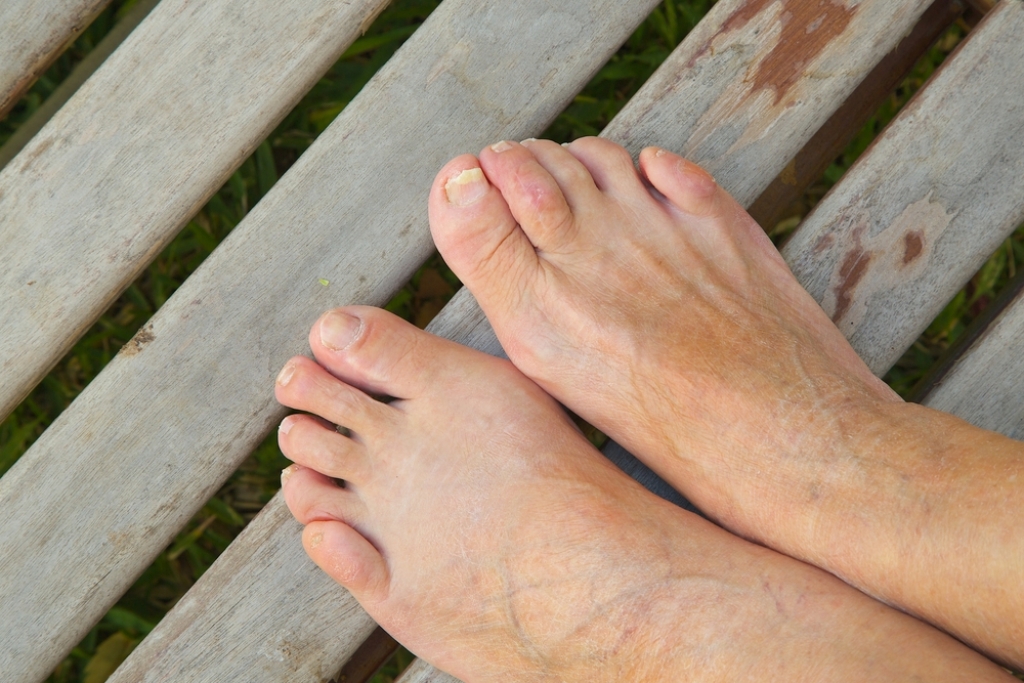
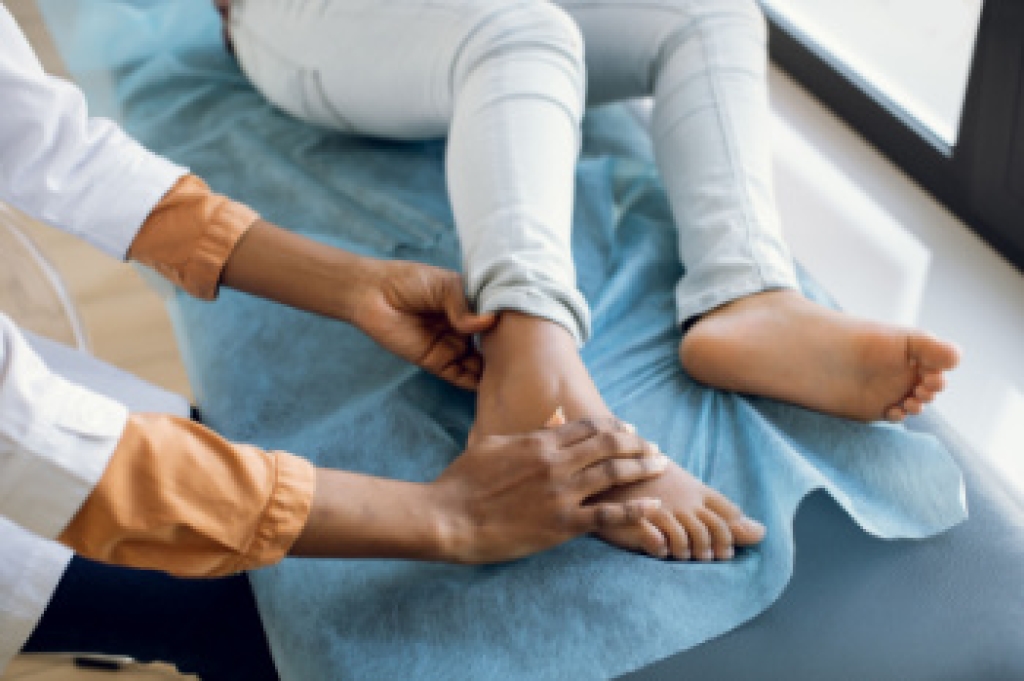
Read more about Foot Care for Pregnant Women

Hammertoe Treatment and Foot Health

Hammertoe is a deformity that causes one or more of the smaller toes to bend downward at the middle joint instead of lying flat. At first, the toe may still be flexible, but it can become stiff if left untreated. This change in toe position places extra pressure on the top of the toe and the ball of the foot. Symptoms include pain, swelling, corns, calluses, and difficulty wearing shoes comfortably. The condition can develop because of muscle imbalance, arthritis, injury, or wearing shoes that squeeze the toes into a cramped position. Early evaluation is important because hammertoe becomes more difficult to correct as the joint becomes less flexible.

A podiatrist carefully evaluates toe alignment, foot structure, walking pattern, and joint movement to determine what is contributing to the deformity. The examination also identifies areas of excessive pressure that can lead to painful skin changes. Treatment includes custom orthotics when appropriate, footwear recommendations, and protective padding to reduce irritation. A podiatrist can also recommend exercises that improve flexibility and strengthen the muscles supporting the toes. Wearing shoes that provide proper support and enough room for the toes can reduce unnecessary pressure during daily activities. Regular follow-up visits help monitor changes and determine whether additional treatment is needed.

Ignoring hammertoe can allow the toe to become permanently stiff and increase discomfort while walking. Ongoing pressure can also lead to painful corns, calluses, and sores that make everyday activities more difficult. In advanced cases, surgery may be necessary when the toe can no longer be straightened or pain continues despite treatment. Early podiatry care helps improve foot function, reduce pressure on the affected toe, and slow the progression of the deformity. If you have symptoms of hammertoe, it is suggested that you schedule an appointment with a podiatrist for diagnosis and treatment.

Hammertoe

Hammertoes can be a painful condition to live with. For more information, contact one of our podiatrists from Podiatry Health Center. Our doctors will answer any of your foot- and ankle-related questions.

Hammertoe is a foot deformity that affects the joints of the second, third, fourth, or fifth toes of your feet. It is a painful foot condition in which these toes curl and arch up, which can often lead to pain when wearing footwear.

Symptoms

  • Pain in the affected toes
  • Development of corns or calluses due to friction
  • Inflammation
  • Redness
  • Contracture of the toes

Causes

Genetics – People who are genetically predisposed to hammertoe are often more susceptible

Arthritis – Because arthritis affects the joints in your toes, further deformities stemming from arthritis can occur

Trauma – Direct trauma to the toes could potentially lead to hammertoe

Ill-fitting shoes – Undue pressure on the front of the toes from ill-fitting shoes can potentially lead to the development of hammertoe

Treatment

Orthotics – Custom made inserts can be used to help relieve pressure placed on the toes and therefore relieve some of the pain associated with it

Medications – Oral medications such as anti-inflammatories or NSAIDs could be used to treat the pain and inflammation hammertoes causes. Injections of corticosteroids are also sometimes used

Surgery – In more severe cases where the hammertoes have become more rigid, foot surgery is a potential option

If you have any questions, please feel free to contact our office located in Dothan, AL . We offer the newest diagnostic and treatment technologies for all your foot care needs.

Read more about What Are Hammertoes?

Foot Pain From Lupus

Foot pain from lupus is a common concern for individuals living with this chronic autoimmune condition. Lupus occurs when the immune system mistakenly attacks healthy tissues, including joints, blood vessels, and nerves in the feet. This can lead to inflammation, reduced circulation, and tissue damage. Many patients experience persistent discomfort that affects mobility and quality of life. Understanding how lupus impacts the feet is essential for early intervention and long term care. Foot pain related to lupus may also overlap with other conditions such as peripheral neuropathy or Raynaud related circulation changes.

Symptoms of foot pain from lupus often include swelling, numbness, and cold feet. Some individuals notice color changes in the toes, especially in response to cold temperatures or stress. Joint stiffness, burning sensations, and tenderness in the soles are also reported. These symptoms may come and go or worsen during lupus flares. Cold sensitivity is especially important, as reduced blood flow can increase discomfort and raise the risk of tissue injury. Paying attention to early warning signs can help prevent complications.

Several risk factors contribute to lupus-related foot pain. These include long standing autoimmune activity, poor circulation, and improper footwear. Cold environments and prolonged standing can worsen symptoms. Causes are primarily linked to inflammation of joints and blood vessels, as well as nerve irritation. Damage to small blood vessels can reduce oxygen supply to tissues, leading to cold feet and delayed healing. This makes proper foot care a critical part of managing lupus.

If you have lupus, caring for your feet involves simple, but consistent habits. Keeping feet clean and dry helps prevent infection. Wearing properly fitted, supportive shoes reduces pressure and improves alignment. Protecting feet from extreme temperatures is essential, especially in cold weather. Regular foot checks can help identify changes early. If foot pain from lupus is present, it is suggested that you consult a podiatrist for effective relief and management solutions.

Foot Pain

Foot pain can be extremely painful and debilitating. If you have a foot pain, consult with one of our podiatrists from Podiatry Health Center. Our doctors will assess your condition and provide you with quality foot and ankle treatment.

Causes

Foot pain is a very broad condition that could be caused by one or more ailments. The most common include:

  • Bunions
  • Hammertoes
  • Plantar Fasciitis
  • Bone Spurs
  • Corns
  • Tarsal Tunnel Syndrome
  • Ingrown Toenails
  • Arthritis (such as Gout, Rheumatoid, and Osteoarthritis)
  • Flat Feet
  • Injury (from stress fractures, broken toe, foot, ankle, Achilles tendon ruptures, and sprains)
  • And more

Diagnosis

To figure out the cause of foot pain, podiatrists utilize several different methods. This can range from simple visual inspections and sensation tests to X-rays and MRI scans. Prior medical history, family medical history, and any recent physical traumatic events will all be taken into consideration for a proper diagnosis.

Treatment

Treatment depends upon the cause of the foot pain. Whether it is resting, staying off the foot, or having surgery; podiatrists have a number of treatment options available for foot pain.

If you have any questions, please feel free to contact our office located in Dothan, AL . We offer the newest diagnostic and treatment technologies for all your foot care needs.
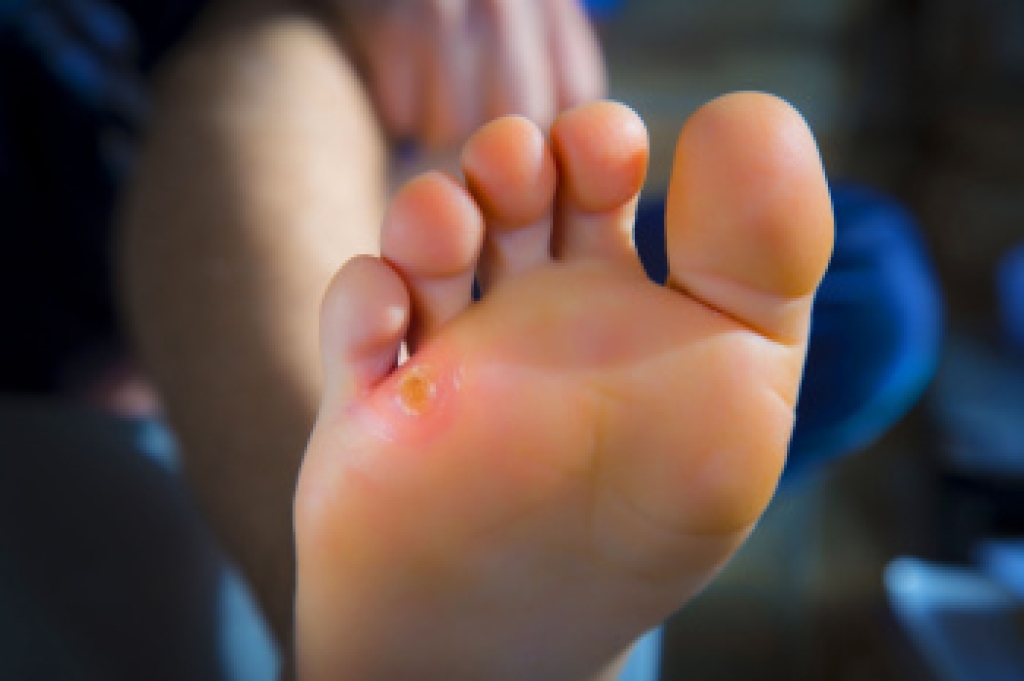
Read more about Foot Pain

Are Bunions Affecting Your Everyday Life?

Have you noticed a bony protrusion on the side of your big toe? If so, you may have developed the foot condition known as a bunion. Don't let bunions interfere with your daily activities.

Understanding Corns on the Feet

Corns are thick, hardened areas of skin that develop when repeated pressure or friction affects a specific part of the foot. Unlike a callus, which usually covers a larger area, a corn is smaller and has a firm center that can become quite painful. Corns usually form on the tops or sides of the toes or between the toes where rubbing occurs.  Wearing shoes that are too tight, shoes that are too loose, and high heels can all increase pressure on the skin. Foot problems like hammertoes or claw toes also raise the risk because they change the way the toes press against shoes. As the skin thickens to protect itself, discomfort while walking can become harder to ignore.

A podiatrist can identify a corn with a careful examination and determine what is causing the repeated pressure. Finding the underlying cause is important because simply removing the thickened skin does not prevent the corn from returning. Treatment includes gently trimming the hardened skin in the office to relieve discomfort. A podiatrist can also evaluate toe deformities and explain whether surgery is the best option when a structural problem continues to create excessive pressure. Patients also receive guidance about choosing shoes with a roomy toe area and avoiding shoes that lack proper support. These steps help reduce pressure on sensitive areas and improve comfort with daily activities.

Ignoring a painful corn can make standing and walking more difficult while increasing irritation around the affected area. Early care helps relieve discomfort before the problem becomes more limiting. A podiatrist can recommend treatment that matches your foot structure and activity level while helping reduce repeated pressure on vulnerable areas. Prompt evaluation also helps identify related foot problems before they become more serious. If you have developed corns on the feet, it is suggested that you schedule an appointment with a podiatrist for a diagnosis and appropriate treatment.

If you have any concerns regarding your feet and ankles, contact one of our podiatrists of Podiatry Health Center. Our doctors will treat your foot and ankle needs.

Corns: What Are They? and How Do You Get Rid of Them?
Corns can be described as areas of the skin that have thickened to the point of becoming painful or irritating. They are often layers and layers of the skin that have become dry and rough, and are normally smaller than calluses.

Ways to Prevent Corns
There are many ways to get rid of painful corns such as wearing:

  • Well-fitting socks
  • Comfortable shoes that are not tight around your foot
  • Shoes that offer support

Treating Corns
Treatment of corns involves removing the dead skin that has built up in the specific area of the foot. Consult with Our doctors to determine the best treatment option for your case of corns.

If you have any questions, please feel free to contact our office located in Dothan, AL . We offer the newest diagnostic and treatment technologies for all your foot care needs.

Read more about Corns: What Are They, and How Do You Get Rid of Them

Connect With Us