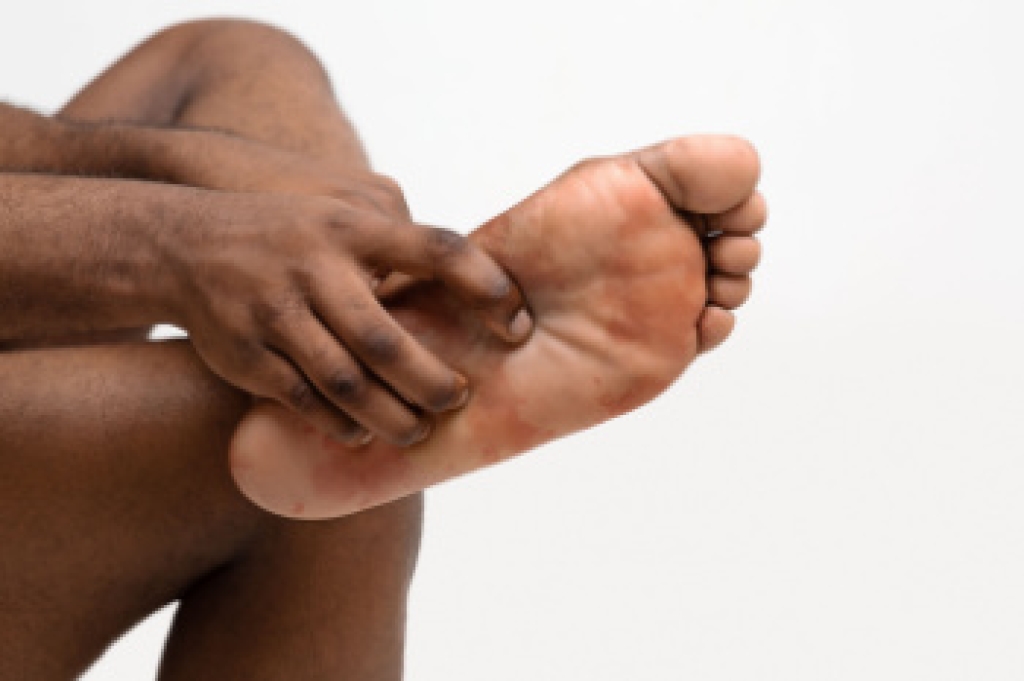
Heel Pain That Starts With the 1st Step

Plantar fasciitis is a main cause of heel pain that affects the thick band of tissue along the bottom of the foot. It often begins with sharp discomfort during the first steps in the morning or after periods of rest. Pain may ease with movement but return after long periods of standing. The heel may feel tender, tight, or slightly swollen, and pressure along the arch can increase discomfort. Causes include repetitive strain, poor foot support, and tight calf muscles. Abnormal foot structure that places excess stress on the tissue may also contribute. A podiatrist can evaluate foot mechanics, confirm the diagnosis, and develop a treatment plan tailored to the patient. Care options include supportive footwear, custom orthotics, and targeted exercises to reduce tension and improve flexibility. Early treatment can help prevent chronic pain and further injury. If you think you may have plantar fasciitis, it is suggested that you make an appointment with a podiatrist.

Plantar fasciitis is a common foot condition that is often caused by a strain injury. If you are experiencing heel pain or symptoms of plantar fasciitis, contact one of our podiatrists from Podiatry Health Center. Our doctors can provide the care you need to keep you pain-free and on your feet.

What Is Plantar Fasciitis?

Plantar fasciitis is one of the most common causes of heel pain. The plantar fascia is a ligament that connects your heel to the front of your foot. When this ligament becomes inflamed, plantar fasciitis is the result. If you have plantar fasciitis you will have a stabbing pain that usually occurs with your first steps in the morning. As the day progresses and you walk around more, this pain will start to disappear, but it will return after long periods of standing or sitting.

What Causes Plantar Fasciitis?

  • Excessive running
  • Having high arches in your feet
  • Other foot issues such as flat feet
  • Pregnancy (due to the sudden weight gain)
  • Being on your feet very often

There are some risk factors that may make you more likely to develop plantar fasciitis compared to others. The condition most commonly affects adults between the ages of 40 and 60. It also tends to affect people who are obese because the extra pounds result in extra stress being placed on the plantar fascia.

Prevention

  • Take good care of your feet – Wear shoes that have good arch support and heel cushioning.
  • Maintain a healthy weight
  • If you are a runner, alternate running with other sports that won’t cause heel pain

There are a variety of treatment options available for plantar fasciitis along with the pain that accompanies it. Additionally, physical therapy is a very important component in the treatment process. It is important that you meet with your podiatrist to determine which treatment option is best for you.

If you have any questions, please feel free to contact our office located in Dothan, AL . We offer the newest diagnostic and treatment technologies for all your foot care needs.
 

Read more about Plantar Fasciitis

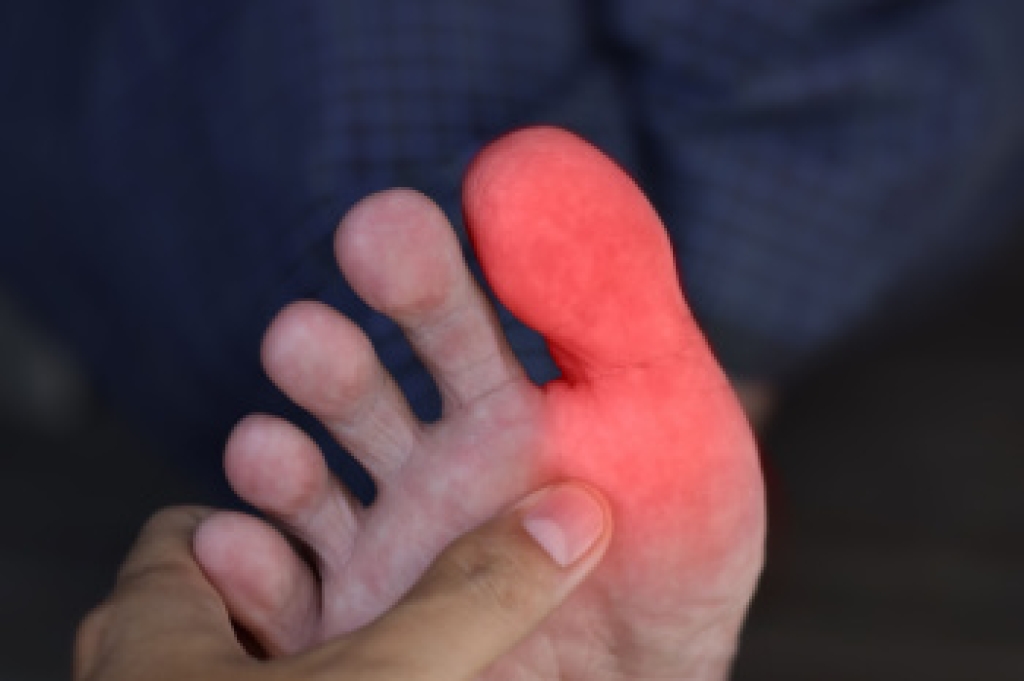
Pain That Persists in the Big Toe

Complex regional pain syndrome limited to the hallux, or big toe, is a rare, but serious pain condition that can develop after an injury, surgery, or even a minor strain. The pain is often out of proportion to the original issue and may feel burning, sharp, or deep. The toe can become very sensitive to touch, with swelling, color changes, or temperature differences compared to the other foot. Movement may feel difficult, and even light pressure can be uncomfortable. This condition does not only affect the toe itself, but also how the nervous system processes pain signals. Care often involves a combination of medical support, guided movement, and strategies that address both the body and how pain is experienced over time. Early attention is important. If ongoing toe pain feels unusual or severe, it is suggested that you see a podiatrist for a proper diagnosis and appropriate treatment.

Toe pain can disrupt your daily activities. If you have any concerns, contact one of our podiatrists of Podiatry Health Center. Our doctors can provide the care you need to keep you pain-free and on your feet.

What Causes Toe Pain?

Most severe toe pain is caused due to a sports injury, trauma from dropping something heavy on the toe, or bumping into something rigid. Other problems can develop over time for various reasons.

Toe pain can be caused by one or more ailments. The most common include:

  • Trauma
  • Sports injury
  • Wearing shoes that are too tight
  • Arthritis
  • Gout
  • Corns and calluses
  • Hammertoe
  • Bunions
  • Blisters
  • Ingrown toenails
  • Sprains
  • Fractures (broken bones)
  • Dislocations

When to See a Podiatrist

  • Severe pain
  • Persistent pain that lasts more than a week
  • Signs of infection
  • Continued swelling
  • Pain that prevents walking

Diagnosis

In many cases the cause of toe pain is obvious, but in others, a podiatrist may want to use more advanced methods to determine the problem. These can range from simple visual inspections and sensation tests to X-rays and MRI scans. Prior medical history, family medical history, and any recent physical traumatic events will all be taken into consideration for a proper diagnosis.

Treatment

Treatments for toe pain and injuries vary and may include shoe inserts, padding, taping, medicines, injections, and in some cases, surgery. If you believe that you have broken a toe, please see a podiatrist as soon as possible.

If you have any questions please contact our office located in Dothan, AL . We offer the newest diagnostic and treatment technologies for all your foot and ankle needs.

Read more about Toe Pain

Healthy Habits for Diabetic Feet

https://aging.idaho.gov/wp-content/uploads/2019/07/haa-diabetic-foot-care-resource-guide.pdf

Living with diabetes means paying extra attention to the feet, since changes in circulation and sensation can allow small issues to develop without early warning. A daily look at the skin helps you spot irritation, dryness, or minor injuries before they worsen. Gentle washing, careful drying between the toes, and regular moisturizing support healthier skin and reduce the chance of cracking. Choosing shoes that fit well and protect pressure points is equally important, as rubbing or tight areas can lead to sores that heal slowly. Trimming toenails straight across helps prevent ingrown edges, and any redness, swelling, or unusual warmth should be taken seriously. Routine podiatric care makes it easier to catch problems early and maintain comfortable mobility. If you notice color changes, numbness, or a spot that does not improve, it is suggested that you see a podiatrist for proper evaluation and guidance in diabetic foot care.

Diabetic foot care is important in preventing foot ailments such as ulcers. If you are suffering from diabetes or have any other concerns about your feet, contact one of our podiatrists from Podiatry Health Center. Our doctors can provide the care you need to keep you pain-free and on your feet.

Diabetic Foot Care

Diabetes affects millions of people every year. The condition can damage blood vessels in many parts of the body, especially the feet. Because of this, taking care of your feet is essential if you have diabetes, and having a podiatrist help monitor your foot health is highly recommended.

The Importance of Caring for Your Feet

  • Routinely inspect your feet for bruises or sores.
  • Wear socks that fit your feet comfortably.
  • Wear comfortable shoes that provide adequate support.

Patients with diabetes should have their doctor monitor their blood levels, as blood sugar levels play such a huge role in diabetic care. Monitoring these levels on a regular basis is highly advised.

It is always best to inform your healthcare professional of any concerns you may have regarding your feet, especially for diabetic patients. Early treatment and routine foot examinations are keys to maintaining proper health, especially because severe complications can arise if proper treatment is not applied.

If you have any questions, please feel free to contact our office located in Dothan, AL . We offer the newest diagnostic and treatment technologies for all your foot care needs.

Read more about Diabetic Foot Conditions

A Rare Cause of Leg Pain and Involuntary Toe Movements

Painful legs and moving toes syndrome is an uncommon condition that causes ongoing leg discomfort along with slow, involuntary toe movements. The pain is often described as aching, burning, or deep, and can be constant or come and go. At the same time, the toes may move on their own in a twisting or writhing pattern without control. This condition is sometimes linked to nerve injury, spinal problems, or past trauma, but the exact cause is not always clear. Diagnosis involves a detailed exam and may include imaging or nerve testing to rule out other conditions. Treatment focuses on reducing pain and controlling movement through medications, nerve-based therapies, or targeted exercise. Because symptoms can be complex and long-lasting, early evaluation is important. If you notice ongoing leg pain with unusual toe movements, it is suggested that you see a podiatrist for a proper diagnosis and appropriate treatment.

Some foot conditions may require additional professional care. If you have any concerns, contact one of our podiatrists of Podiatry Health Center. Our doctors can provide the care you need to keep you pain-free and on your feet.

Rare Foot Conditions

The majority of foot conditions are common and can be treated by a podiatrist.  Standard diagnostic procedures are generally used to identify specific conditions and treatment can be rendered. A podiatrist also treats rare foot conditions which can be difficult to diagnose and may need extra attention and care. 

There are many rare foot conditions that can affect children. Some of these can include:

  • Freiberg’s disease
  • Kohler’s disease
  • Maffucci syndrome

Freiberg’s disease - This can be seen as a deterioration and flattening of a metatarsal bone that exists in the ball of the foot. It typically affects pre-teen and teenage girls, but can affect anyone at any age. Symptoms that can accompany this can be swelling, stiffness, and the patient may limp. 

Kohler’s disease - This often targets the bone in the arch of the foot and affects younger boys. It can lead to an interruption of the blood supply which ultimately can lead to bone deterioration. The patient may limp or experience tenderness, swelling, and redness.

Maffucci syndrome - This affects the long bones in a child’s foot leading to the development of abnormal bone lesions. They are benign growths and typically develop in early childhood and the bones may be susceptible to breaking. 

A podiatrist can properly diagnose and treat all types of rare foot conditions. If your child is affected by any of these symptoms or conditions, please don’t hesitate to call our office so the correct treatment method can begin.

If you have any questions, please feel free to contact our office located in Dothan, AL . We offer the newest diagnostic and treatment technologies for all your foot care needs.

Read more about Rare Foot Conditions

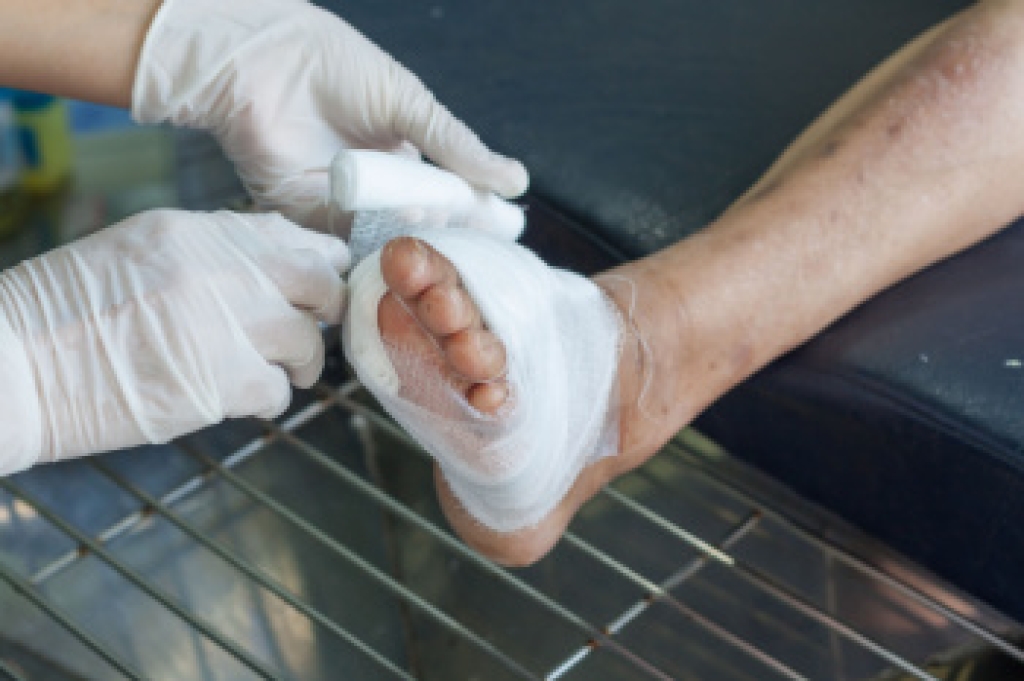
Wounds That Don't Heal Need to Be Checked

Your feet are covered most of the day. If you're diabetic, periodic screening is important for good health. Numbness is often a sign of diabetic foot and can mask a sore or wound.

Connect With Us