
Signs and Causes of an Achilles Tendon Injury

The Achilles tendon connects the calf muscles to the heel bone, and helps the foot point downward. An Achilles tendon injury can develop when repeated activity places too much stress on this strong band of tissue. Running, jumping, and long periods of walking can strain the tendon, especially after a sudden increase in activity. Tight calf muscles can also place extra stress on the area. Symptoms include pain, stiffness, and thickening around the tendon. Pain can be noticeable first thing in the morning or after activity. As the problem becomes more severe, discomfort can occur when walking or running, particularly uphill or across uneven ground.

Several factors can increase stress on the Achilles tendon. Ankle stiffness, calf tightness, and muscle weakness can affect how forces travel through the lower leg. Foot position and poor balance can also contribute to the problem. Shoes that lack proper support, especially very flat shoes, can place additional strain on the tendon. Because complete rest can weaken muscles and tendons, treatment focuses on restoring healthy movement and gradually improving the tendon’s ability to handle activity.  Wearing supportive shoes with a slightly raised heel can also reduce strain while the tendon recovers.

A podiatrist can examine the foot and ankle to determine what is causing Achilles tendon pain. The evaluation can assess foot position, ankle movement, and the way the patient walks. Treatment can focus on improving how the foot functions and reducing excessive strain on the tendon. A podiatrist can also recommend appropriate shoes and develop a structured plan for returning to activity safely. Early evaluation can help prevent ongoing pain from interfering with work, exercise, and everyday movement. If you have symptoms of an Achilles tendon injury, it is suggested that you schedule an appointment with a podiatrist for a diagnosis and appropriate treatment.

Achilles tendon injuries need immediate attention to avoid future complications. If you have any concerns, contact one of our podiatrists of Podiatry Health Center. Our doctors can provide the care you need to keep you pain-free and on your feet.

What Is the Achilles Tendon?

The Achilles tendon is a tendon that connects the lower leg muscles and calf to the heel of the foot. It is the strongest tendon in the human body and is essential for making movement possible. Because this tendon is such an integral part of the body, any injuries to it can create immense difficulties and should immediately be presented to a doctor.

What Are the Symptoms of an Achilles Tendon Injury?

There are various types of injuries that can affect the Achilles tendon. The two most common injuries are Achilles tendinitis and ruptures of the tendon.

Achilles Tendinitis Symptoms

  • Inflammation
  • Dull to severe pain
  • Increased blood flow to the tendon
  • Thickening of the tendon

Rupture Symptoms

  • Extreme pain and swelling in the foot
  • Total immobility

Treatment and Prevention

Achilles tendon injuries are diagnosed by a thorough physical evaluation, which can include an MRI. Treatment involves rest, physical therapy, and in some cases, surgery. However, various preventative measures can be taken to avoid these injuries, such as:

  • Thorough stretching of the tendon before and after exercise
  • Strengthening exercises like calf raises, squats, leg curls, leg extensions, leg raises, lunges, and leg presses

If you have any questions please feel free to contact our office located in Dothan, AL . We offer the newest diagnostic tools and technology to treat your foot and ankle needs.

Read more about The Causes, Types, and Treatments of Achilles Tendon Injuries

Are You Suffering From Ingrown Toenails?

If left untreated, an ingrown toenail can lead to more serious concerns, such as an infection. Knowing proper nail care can help in the prevention of an ingrown toenail. Give us a call, and get treated!

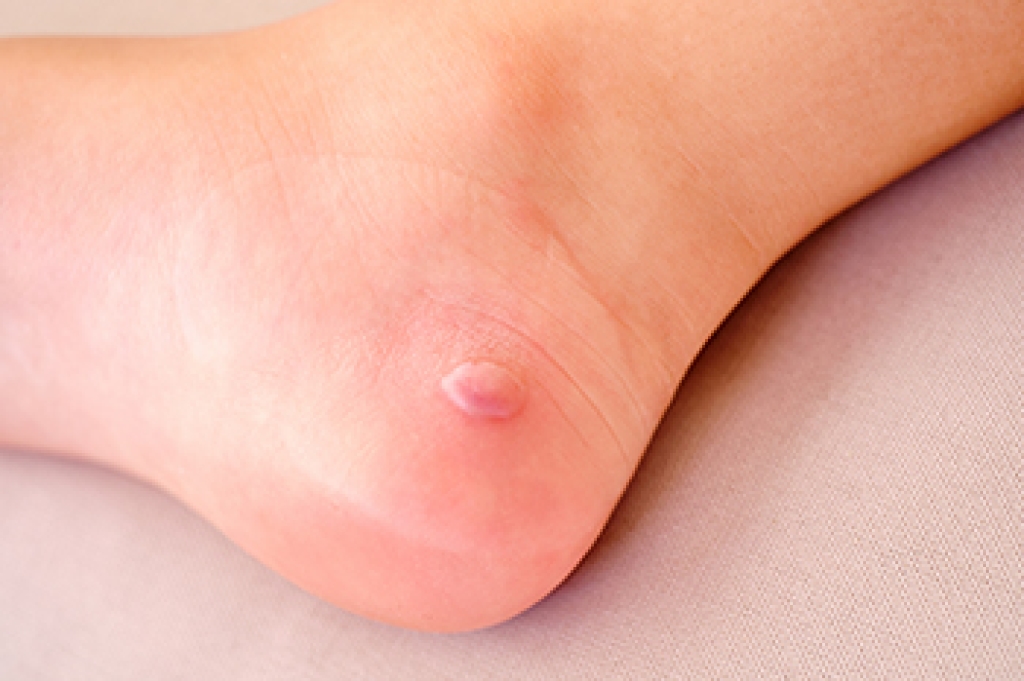
Causes of Blisters on the Feet

The feet absorb steady pressure each day as they carry your body weight and rub against your shoes. This friction can separate nearby layers of skin. Clear fluid then fills the small space, creating a thin-walled sac called a blister. Blisters can form on the toes, heels, or soles, and their size can vary. They can make standing, working, and walking painful. Although most result from rubbing, a blister can sometimes point to an infection or another health problem.

Shoes that fit poorly are a leading cause. Loose shoes can slide and rub, while tight shoes can pinch the skin. Vigorous activities like running, hiking, or sports also increase friction. Other causes include frostbite, eczema, and scabies. Viral or bacterial infections can create blisters as well. People with diabetes can develop painless blisters that appear without a clear injury, especially when nerve damage reduces feeling in the feet. A blister that keeps returning deserves attention. Warning signs of infection include redness, warmth, and pus. A foul smell, increasing pain, or spreading swelling indicates the need for prompt care.

A podiatrist can examine the blister, check the surrounding skin, and determine its cause. The exam also includes a chance to look for pressure points, poor shoe fit, or reduced feeling. Treatment depends on the cause and severity of the blister. A podiatrist can drain a large or painful blister safely while protecting the skin that covers it. The doctor can also clean and dress an open blister, treat an infection, and recommend padding that reduces pressure. When repeated rubbing is the problem, a podiatrist can assess how your feet move and recommend shoes with a better fit. If you have a painful or infected blister on your foot, it is suggested that you schedule an appointment with a podiatrist for effective relief and prevention solutions.

Blisters are prone to making everyday activities extremely uncomfortable. If your feet are hurting, contact one of our podiatrists of Podiatry Health Center. Our doctors can provide the care you need to keep you pain-free and on your feet.

Foot Blisters

Foot blisters develop as a result of constantly wearing tight or ill-fitting footwear. This happens due to the constant rubbing from the shoe, which can often lead to pain.

What Are Foot Blisters?

A foot blister is a small fluid-filled pocket that forms on the upper-most layer of the skin. Blisters are filled with clear fluid and can lead to blood drainage or pus if the area becomes infected.

How Do Blisters Form?

Blisters on the feet are often the result of constant friction of skin and material, usually by shoe rubbing. Walking in sandals, boots, or shoes that don’t fit properly for long periods of time can result in a blister. Having consistent foot moisture and humidity can easily lead to blister formation.

Prevention & Treatment

It is important to properly care for the affected area in order to prevent infection and ease the pain. Do not lance the blister and use a Band-Aid to provide pain relief. Also, be sure to keep your feet dry and wear proper fitting shoes. If you see blood or pus in a blister, seek assistance from a podiatrist.

If you have any questions, please feel free to contact our office located in Dothan, AL . We offer the newest diagnostic and treatment technologies for all your foot care needs.

Read more about Blisters

Connect With Us