
How Inflammatory Arthritis Affects the Feet

Inflammatory arthritis can affect the joints of the feet and ankles, sometimes making everyday movement uncomfortable and difficult. Because the foot contains many small joints, ongoing inflammation can lead to pain, stiffness, swelling, warmth, and tenderness, especially in the morning or after periods of rest. Some people notice discomfort in the ball of the foot, heel, toes, or ankle, while others develop changes in foot shape over time as joint damage progresses. Walking may become harder, and supportive shoes may suddenly feel uncomfortable. Since these symptoms can worsen without treatment, evaluation is important to identify the source of pain and protect joint function. Treatment may include custom orthotics, footwear guidance, supportive bracing, activity adjustments, and other therapies aimed at reducing stress on affected areas. If you have foot pain related to inflammatory arthritis, it is suggested that you visit a podiatrist for effective relief and management tips.

Arthritis can be a difficult condition to live with. If you are seeking treatment, contact one of our podiatrists from Podiatry Health Center. Our doctors can provide the care you need to keep you pain-free and on your feet.

Arthritic Foot Care  

Arthritis is a term that is commonly used to describe joint pain.  The condition itself can occur to anyone of any age, race, or gender, and there are over 100 types of it.  Nevertheless, arthritis is more commonly found in women compared to men, and it is also more prevalent in those who are overweight. The causes of arthritis vary depending on which type of arthritis you have. Osteoarthritis for example, is often caused by injury, while rheumatoid arthritis is caused by a misdirected immune system.

Symptoms

  • Swelling
  • Pain
  • Stiffness
  • Decreased Range of Motion

Arthritic symptoms range in severity, and they may come and go. Some symptoms stay the same for several years but could potentially get worse with time. Severe cases of arthritis can prevent its sufferers from performing daily activities and make walking difficult.

Risk Factors

  • Occupation – Occupations requiring repetitive knee movements have been linked to osteoarthritis
  • Obesity – Excess weight can contribute to osteoarthritis development
  • Infection – Microbial agents can infect the joints and trigger arthritis
  • Joint Injuries – Damage to joints may lead to osteoarthritis
  • Age – Risk increases with age
  • Gender –Most types are more common in women
  • Genetics – Arthritis can be hereditary

If you suspect your arthritis is affecting your feet, it is crucial that you see a podiatrist immediately. Your doctor will be able to address your specific case and help you decide which treatment method is best for you.

If you have any questions please feel free to contact our office located in Dothan, AL . We offer the newest diagnostic tools and technology to treat your foot and ankle needs.
Read more about How to Care for Your Arthritic Foot

Issues With Flat Feet

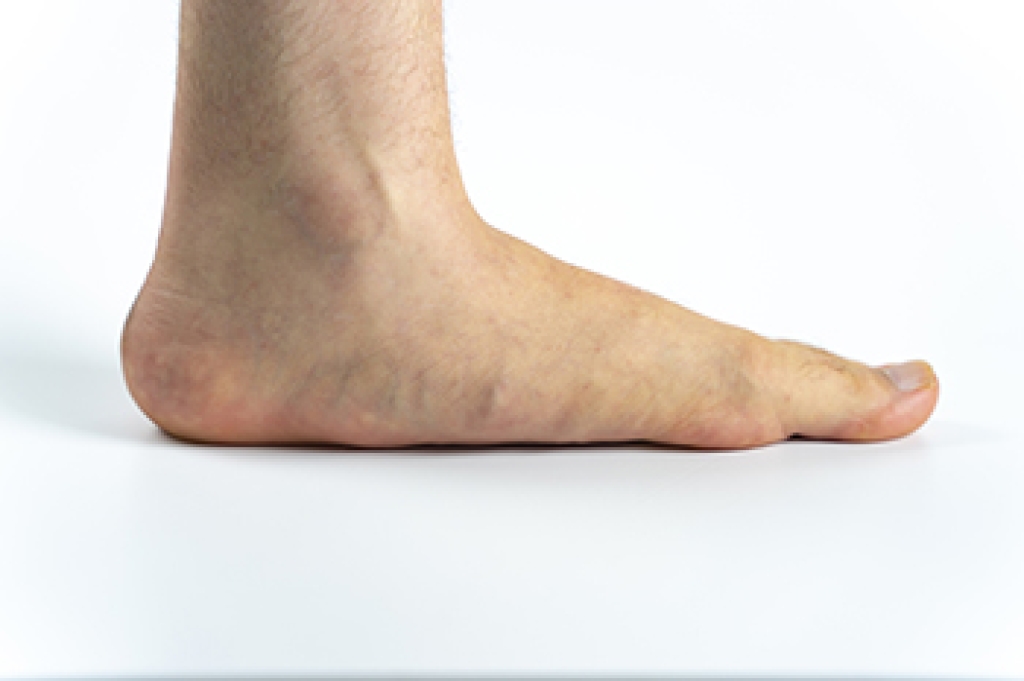
Flat feet, sometimes called fallen arches, occur when the arch on the inside of the foot is very low or absent, causing most or all of the sole to touch the ground. Some people are born with flat feet, while others develop the condition later in life. The most common type is flexible flatfoot, where an arch can be seen when sitting or standing on tiptoes but disappears when weight is placed on the foot. A less common type, called rigid flatfoot, occurs when the arch is absent at all times due to the way the bones are formed. Flat feet can also develop during adulthood as a result of tendon problems, injury, or certain neurological conditions. While some people have no symptoms, others may experience foot pain, fatigue, or difficulty with prolonged standing and walking. A podiatrist can evaluate the structure and function of the feet, analyze walking patterns, and recommend appropriate treatment. This may include supportive footwear, stretching exercises, or custom orthotics. If flat feet are causing discomfort, it is suggested that you schedule an appointment with a podiatrist.

Flatfoot is a condition many people suffer from. If you have flat feet, contact one of our podiatrists from Podiatry Health Center. Our doctors will treat your foot and ankle needs.

What Are Flat Feet?

Flatfoot is a condition in which the arch of the foot is depressed and the sole of the foot is almost completely in contact with the ground. About 20-30% of the population generally has flat feet because their arches never formed during growth.

Conditions & Problems:

Having flat feet makes it difficult to run or walk because of the stress placed on the ankles.

Alignment – The general alignment of your legs can be disrupted, because the ankles move inward which can cause major discomfort.

Knees – If you have complications with your knees, flat feet can be a contributor to arthritis in that area.  

Symptoms

  • Pain around the heel or arch area
  • Trouble standing on the tip toe
  • Swelling around the inside of the ankle
  • Flat look to one or both feet
  • Having your shoes feel uneven when worn

Treatment

If you are experiencing pain and stress on the foot you may weaken the posterior tibial tendon, which runs around the inside of the ankle. 

If you have any questions, please feel free to contact our office located in Dothan, AL . We offer the newest diagnostic and treatment technologies for all your foot care needs.

Read more about Flat Feet

Toenail Fungus Warning Signs

Toenail fungus is a common condition that affects the nail and surrounding skin when fungal organisms begin to grow in warm, moist environments. It often starts as a small discoloration under the nail and gradually spreads, causing the nail to become thickened, brittle, and discolored. Some people may notice a yellow or white color, along with a foul odor, in more advanced cases. Risk factors include wearing tight shoes, excessive sweating, walking barefoot in public areas, and having reduced circulation or immune response. The condition may develop slowly and can become difficult to manage if left untreated. Over time, it may lead to discomfort and changes in how the nail grows. A podiatrist can evaluate the infection, confirm the diagnosis, and recommend targeted treatments to restore nail health. If you have symptoms of toenail fungus, it is suggested that you consult a podiatrist who can effectively treat this condition, which may include prescribed medication.

If left untreated, toenail fungus may spread to other toenails, skin, or even fingernails. If you suspect you have toenail fungus it is important to seek treatment right away. For more information about treatment, contact one of our podiatrists of Podiatry Health Center. Our doctors can provide the care you need to keep you pain-free and on your feet.

Symptoms

  • Warped or oddly shaped nails
  • Yellowish nails
  • Loose/separated nail
  • Buildup of bits and pieces of nail fragments under the nail
  • Brittle, broken, thickened nail

Treatment

If self-care strategies and over-the-counter medications does not help your fungus, your podiatrist may give you a prescription drug instead. Even if you find relief from your toenail fungus symptoms, you may experience a repeat infection in the future.

Prevention

In order to prevent getting toenail fungus in the future, you should always make sure to wash your feet with soap and water. After washing, it is important to dry your feet thoroughly especially in between the toes. When trimming your toenails, be sure to trim straight across instead of in a rounded shape. It is crucial not to cover up discolored nails with nail polish because that will prevent your nail from being able to “breathe”.

In some cases, surgical procedure may be needed to remove the toenail fungus. Consult with your podiatrist about the best treatment options for your case of toenail fungus.  

If you have any questions please contact our office located in Dothan, AL . We offer the newest diagnostic and treatment technologies for all your foot and ankle needs.

Read more about How to Treat Your Toenail Fungus

Gout and Why It Often Affects the Big Toe

Gout is a type of inflammatory arthritis caused by a buildup of uric acid in the body, which forms crystals in the joints. Diet plays a role, as foods such as red meat, sugary drinks, and alcohol can increase uric acid levels. Risk factors include genetics, being overweight, and certain medications. Symptoms include sudden intense pain, swelling, redness, and tenderness. The big toe is commonly affected because it experiences pressure and tends to be cooler, allowing crystals to form more easily. Flare-ups can limit movement and disrupt daily life. A podiatrist can help manage symptoms, provide treatment, and offer guidance on prevention. If you have symptoms of gout, it is suggested that you are under the care of a podiatrist who can help you to manage this painful condition. 

Gout is a foot condition that requires certain treatment and care. If you are seeking treatment, contact one of our podiatrists from Podiatry Health Center. Our doctors will treat your foot and ankle needs.

What Is Gout?

Gout is a type of arthritis caused by a buildup of uric acid in the bloodstream. It often develops in the foot, especially the big toe area, although it can manifest in other parts of the body as well. Gout can make walking and standing very painful and is especially common in diabetics and the obese.

People typically get gout because of a poor diet. Genetic predisposition is also a factor. The children of parents who have had gout frequently have a chance of developing it themselves.

Gout can easily be identified by redness and inflammation of the big toe and the surrounding areas of the foot. Other symptoms include extreme fatigue, joint pain, and running high fevers. Sometimes corticosteroid drugs can be prescribed to treat gout, but the best way to combat this disease is to get more exercise and eat a better diet.

If you have any questions, please feel free to contact our office located in Dothan, AL . We offer the newest diagnostic and treatment technologies for all your foot care needs.

Read more about Everything You Need to Know About Gout

Why Live with Pain and Numbness in Your Feet?

Suffering from this type of pain? You may have the foot condition known as Morton's neuroma. Morton's neuroma may develop as a result of ill-fitting footwear and existing foot deformities. We can help.

Connect With Us