Signs and Causes of an Achilles Tendon Injury

The Achilles tendon connects the calf muscles to the heel bone, and helps the foot point downward. An Achilles tendon injury can develop when repeated activity places too much stress on this strong band of tissue. Running, jumping, and long periods of walking can strain the tendon, especially after a sudden increase in activity. Tight calf muscles can also place extra stress on the area. Symptoms include pain, stiffness, and thickening around the tendon. Pain can be noticeable first thing in the morning or after activity. As the problem becomes more severe, discomfort can occur when walking or running, particularly uphill or across uneven ground.

Several factors can increase stress on the Achilles tendon. Ankle stiffness, calf tightness, and muscle weakness can affect how forces travel through the lower leg. Foot position and poor balance can also contribute to the problem. Shoes that lack proper support, especially very flat shoes, can place additional strain on the tendon. Because complete rest can weaken muscles and tendons, treatment focuses on restoring healthy movement and gradually improving the tendon’s ability to handle activity.  Wearing supportive shoes with a slightly raised heel can also reduce strain while the tendon recovers.

A podiatrist can examine the foot and ankle to determine what is causing Achilles tendon pain. The evaluation can assess foot position, ankle movement, and the way the patient walks. Treatment can focus on improving how the foot functions and reducing excessive strain on the tendon. A podiatrist can also recommend appropriate shoes and develop a structured plan for returning to activity safely. Early evaluation can help prevent ongoing pain from interfering with work, exercise, and everyday movement. If you have symptoms of an Achilles tendon injury, it is suggested that you schedule an appointment with a podiatrist for a diagnosis and appropriate treatment.

Achilles tendon injuries need immediate attention to avoid future complications. If you have any concerns, contact one of our podiatrists of Podiatry Health Center. Our doctors can provide the care you need to keep you pain-free and on your feet.

What Is the Achilles Tendon?

The Achilles tendon is a tendon that connects the lower leg muscles and calf to the heel of the foot. It is the strongest tendon in the human body and is essential for making movement possible. Because this tendon is such an integral part of the body, any injuries to it can create immense difficulties and should immediately be presented to a doctor.

What Are the Symptoms of an Achilles Tendon Injury?

There are various types of injuries that can affect the Achilles tendon. The two most common injuries are Achilles tendinitis and ruptures of the tendon.

Achilles Tendinitis Symptoms

  • Inflammation
  • Dull to severe pain
  • Increased blood flow to the tendon
  • Thickening of the tendon

Rupture Symptoms

  • Extreme pain and swelling in the foot
  • Total immobility

Treatment and Prevention

Achilles tendon injuries are diagnosed by a thorough physical evaluation, which can include an MRI. Treatment involves rest, physical therapy, and in some cases, surgery. However, various preventative measures can be taken to avoid these injuries, such as:

  • Thorough stretching of the tendon before and after exercise
  • Strengthening exercises like calf raises, squats, leg curls, leg extensions, leg raises, lunges, and leg presses

If you have any questions please feel free to contact our office located in Dothan, AL . We offer the newest diagnostic tools and technology to treat your foot and ankle needs.

Read more about The Causes, Types, and Treatments of Achilles Tendon Injuries

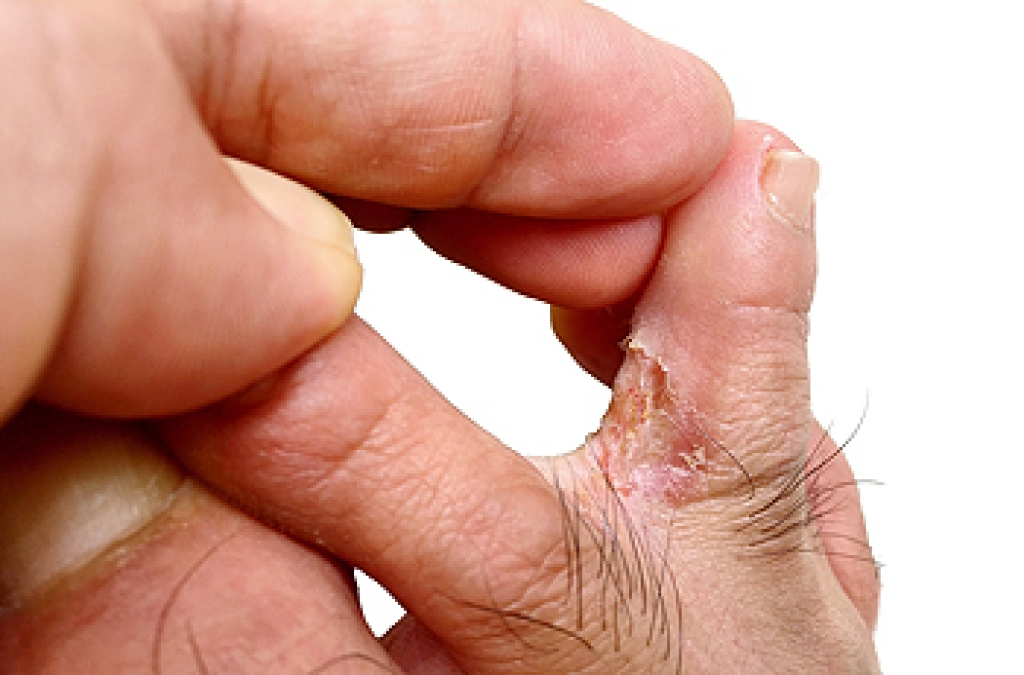
Are You Suffering From Ingrown Toenails?

If left untreated, an ingrown toenail can lead to more serious concerns, such as an infection. Knowing proper nail care can help in the prevention of an ingrown toenail. Give us a call, and get treated!

Causes of Blisters on the Feet

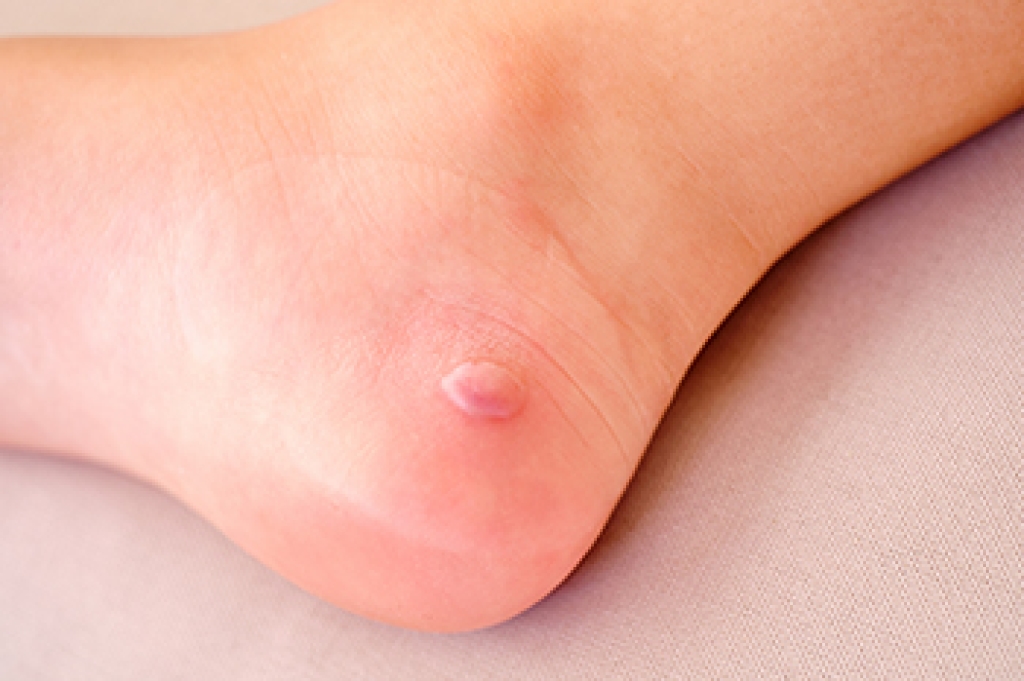
The feet absorb steady pressure each day as they carry your body weight and rub against your shoes. This friction can separate nearby layers of skin. Clear fluid then fills the small space, creating a thin-walled sac called a blister. Blisters can form on the toes, heels, or soles, and their size can vary. They can make standing, working, and walking painful. Although most result from rubbing, a blister can sometimes point to an infection or another health problem.

Shoes that fit poorly are a leading cause. Loose shoes can slide and rub, while tight shoes can pinch the skin. Vigorous activities like running, hiking, or sports also increase friction. Other causes include frostbite, eczema, and scabies. Viral or bacterial infections can create blisters as well. People with diabetes can develop painless blisters that appear without a clear injury, especially when nerve damage reduces feeling in the feet. A blister that keeps returning deserves attention. Warning signs of infection include redness, warmth, and pus. A foul smell, increasing pain, or spreading swelling indicates the need for prompt care.

A podiatrist can examine the blister, check the surrounding skin, and determine its cause. The exam also includes a chance to look for pressure points, poor shoe fit, or reduced feeling. Treatment depends on the cause and severity of the blister. A podiatrist can drain a large or painful blister safely while protecting the skin that covers it. The doctor can also clean and dress an open blister, treat an infection, and recommend padding that reduces pressure. When repeated rubbing is the problem, a podiatrist can assess how your feet move and recommend shoes with a better fit. If you have a painful or infected blister on your foot, it is suggested that you schedule an appointment with a podiatrist for effective relief and prevention solutions.

Blisters are prone to making everyday activities extremely uncomfortable. If your feet are hurting, contact one of our podiatrists of Podiatry Health Center. Our doctors can provide the care you need to keep you pain-free and on your feet.

Foot Blisters

Foot blisters develop as a result of constantly wearing tight or ill-fitting footwear. This happens due to the constant rubbing from the shoe, which can often lead to pain.

What Are Foot Blisters?

A foot blister is a small fluid-filled pocket that forms on the upper-most layer of the skin. Blisters are filled with clear fluid and can lead to blood drainage or pus if the area becomes infected.

How Do Blisters Form?

Blisters on the feet are often the result of constant friction of skin and material, usually by shoe rubbing. Walking in sandals, boots, or shoes that don’t fit properly for long periods of time can result in a blister. Having consistent foot moisture and humidity can easily lead to blister formation.

Prevention & Treatment

It is important to properly care for the affected area in order to prevent infection and ease the pain. Do not lance the blister and use a Band-Aid to provide pain relief. Also, be sure to keep your feet dry and wear proper fitting shoes. If you see blood or pus in a blister, seek assistance from a podiatrist.

If you have any questions, please feel free to contact our office located in Dothan, AL . We offer the newest diagnostic and treatment technologies for all your foot care needs.

Read more about Blisters

How Pregnancy Can Affect Your Feet

Pregnancy brings many changes to the body, and the feet are no exception. As pregnancy progresses, increased body weight and changing hormone levels can place extra stress on the feet and ankles. Many women experience foot pain, swelling, or changes in the shape of their feet during this time. Some also notice that their arches become lower, which can cause the feet to become slightly longer or wider. These changes may affect balance and make standing or walking less comfortable. Because pregnancy-related foot problems can interfere with daily activities, a professional evaluation is important when symptoms become persistent or severe. Early care can help identify the cause of discomfort and determine the most appropriate treatment plan.


Several factors contribute to foot changes during pregnancy. Hormones that help prepare the body for childbirth can also loosen the ligaments that support the feet, making the joints more flexible. Combined with added pressure from weight gain, these changes may increase the risk of flat feet, heel pain, or discomfort in the arches. Swelling around the feet and ankles is also common and may make shoes feel tighter than usual. A comprehensive podiatry examination allows foot structure, joint function, and walking patterns to be carefully evaluated. Identifying these changes early can help reduce discomfort and support healthy foot function throughout pregnancy.


A podiatrist can evaluate pregnancy-related foot pain and recommend treatment based on each patient's individual needs. Professional care focuses on improving comfort, supporting proper foot mechanics, and addressing conditions that may develop during pregnancy. Treatment plans are designed with both maternal health and mobility in mind, while also monitoring changes as pregnancy progresses. Ongoing podiatry care may also help identify developing foot problems before they become more significant after delivery. If you are experiencing foot pain, swelling, or noticeable changes in your feet during pregnancy, it is suggested that you consult a podiatrist for an evaluation and appropriate treatment options.

Pregnant women with swollen feet can be treated with a variety of different methods that are readily available. For more information about other cures for swollen feet during pregnancy, consult with one of our podiatrists from Podiatry Health Center. Our doctors will attend to all of your foot and ankle needs.

What Foot Problems Can Arise During Pregnancy?

One problem that can occur is overpronation, which occurs when the arch of the foot flattens and tends to roll inward.  This can cause pain and discomfort in your heels while you’re walking or even just standing up, trying to support your baby.  

Another problem is edema, or swelling in the extremities. This often affects the feet during pregnancy but tends to occur in the later stages. 

How Can I Keep My Feet Healthy During Pregnancy?

  • Wearing orthotics can provide extra support for the feet and help distribute weight evenly
  • Minimize the amount of time spent walking barefoot
  • Wear shoes with good arch support
  • Wear shoes that allow for good circulation to the feet
  • Elevate feet if you experience swelling
  • Massage your feet
  • Get regular, light exercise, such as walking, to promote blood circulation to the feet

If you have any questions, please feel free to contact our office located in Dothan, AL . We offer the newest diagnostic and treatment technologies for all your foot care needs.
Read more about Foot Care for Pregnant Women

Hammertoe Treatment and Foot Health

Hammertoe is a deformity that causes one or more of the smaller toes to bend downward at the middle joint instead of lying flat. At first, the toe may still be flexible, but it can become stiff if left untreated. This change in toe position places extra pressure on the top of the toe and the ball of the foot. Symptoms include pain, swelling, corns, calluses, and difficulty wearing shoes comfortably. The condition can develop because of muscle imbalance, arthritis, injury, or wearing shoes that squeeze the toes into a cramped position. Early evaluation is important because hammertoe becomes more difficult to correct as the joint becomes less flexible.

A podiatrist carefully evaluates toe alignment, foot structure, walking pattern, and joint movement to determine what is contributing to the deformity. The examination also identifies areas of excessive pressure that can lead to painful skin changes. Treatment includes custom orthotics when appropriate, footwear recommendations, and protective padding to reduce irritation. A podiatrist can also recommend exercises that improve flexibility and strengthen the muscles supporting the toes. Wearing shoes that provide proper support and enough room for the toes can reduce unnecessary pressure during daily activities. Regular follow-up visits help monitor changes and determine whether additional treatment is needed.

Ignoring hammertoe can allow the toe to become permanently stiff and increase discomfort while walking. Ongoing pressure can also lead to painful corns, calluses, and sores that make everyday activities more difficult. In advanced cases, surgery may be necessary when the toe can no longer be straightened or pain continues despite treatment. Early podiatry care helps improve foot function, reduce pressure on the affected toe, and slow the progression of the deformity. If you have symptoms of hammertoe, it is suggested that you schedule an appointment with a podiatrist for diagnosis and treatment.

Hammertoe

Hammertoes can be a painful condition to live with. For more information, contact one of our podiatrists from Podiatry Health Center. Our doctors will answer any of your foot- and ankle-related questions.

Hammertoe is a foot deformity that affects the joints of the second, third, fourth, or fifth toes of your feet. It is a painful foot condition in which these toes curl and arch up, which can often lead to pain when wearing footwear.

Symptoms

  • Pain in the affected toes
  • Development of corns or calluses due to friction
  • Inflammation
  • Redness
  • Contracture of the toes

Causes

Genetics – People who are genetically predisposed to hammertoe are often more susceptible

Arthritis – Because arthritis affects the joints in your toes, further deformities stemming from arthritis can occur

Trauma – Direct trauma to the toes could potentially lead to hammertoe

Ill-fitting shoes – Undue pressure on the front of the toes from ill-fitting shoes can potentially lead to the development of hammertoe

Treatment

Orthotics – Custom made inserts can be used to help relieve pressure placed on the toes and therefore relieve some of the pain associated with it

Medications – Oral medications such as anti-inflammatories or NSAIDs could be used to treat the pain and inflammation hammertoes causes. Injections of corticosteroids are also sometimes used

Surgery – In more severe cases where the hammertoes have become more rigid, foot surgery is a potential option

If you have any questions, please feel free to contact our office located in Dothan, AL . We offer the newest diagnostic and treatment technologies for all your foot care needs.

Read more about What Are Hammertoes?

Connect With Us